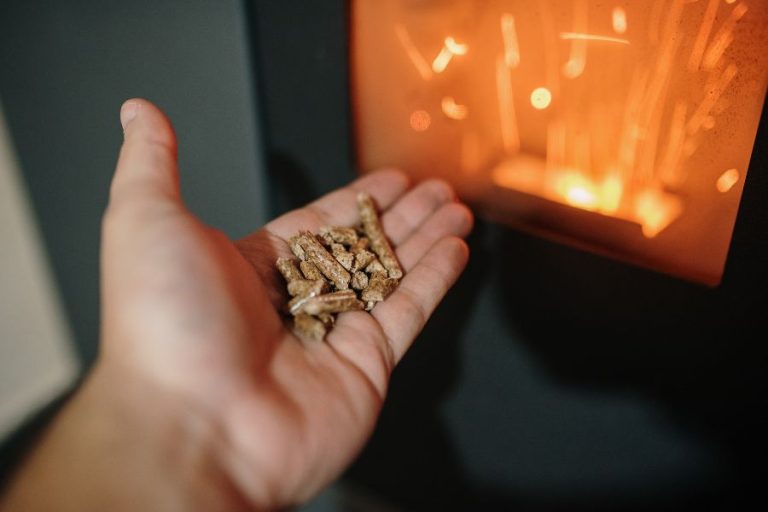
No, heat pumps don’t use natural gas. They run entirely on electricity, moving heat from outside air (or the ground) into your home rather than burning fuel to create warmth. This fundamental difference means you can heat your home without a gas line, often cutting both carbon emissions and energy costs, especially as electricity grids shift toward renewable sources.
If you’re weighing a switch from gas heating or trying to understand whether a heat pump fits your home, the decision hinges on more than just fuel type. You’ll want to know if your electrical panel can handle the load, whether your home’s insulation will let a heat pump work efficiently, and what upfront investment and long-term savings look like. Heat pumps excel in moderate climates and well-sealed homes, but even in colder regions, modern cold-climate models perform reliably down to subzero temperatures.
The transition from gas to electric heating represents a practical path toward lower emissions and greater energy independence, particularly as utility incentives and federal tax credits in 2026 continue to make heat pumps more affordable. Understanding how heat pumps operate, who benefits most from making the switch, and what the installation process involves will help you decide if this technology aligns with your goals for comfort, cost savings, and sustainability. This guide walks you through each step, from evaluating your home’s readiness to finding qualified installers and navigating available financial support.
What Heat Pumps Are and How They Work Without Natural Gas
Electric-Powered Heat Transfer vs. Gas Combustion
Heat pumps and gas furnaces take fundamentally different approaches to keeping your home warm. A gas furnace burns natural gas in a combustion chamber, converting chemical energy into heat through an open flame. This process creates new heat, temperatures inside the burner can reach 1,800°F or higher, which then warms air that circulates through your ductwork. The combustion also produces carbon dioxide and water vapor as byproducts, which vent outdoors through a flue.
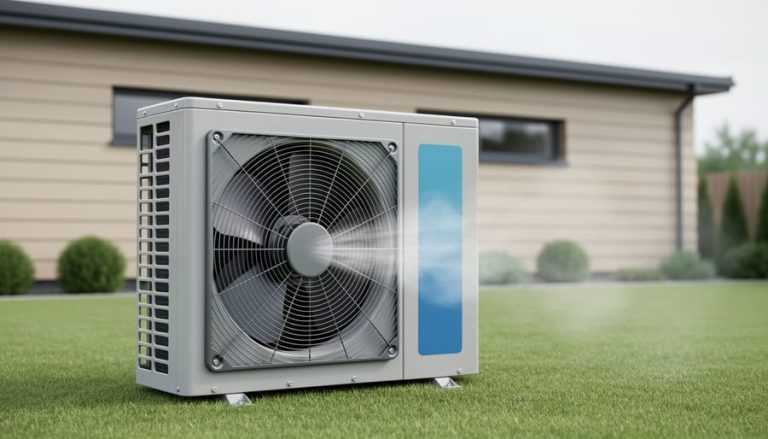
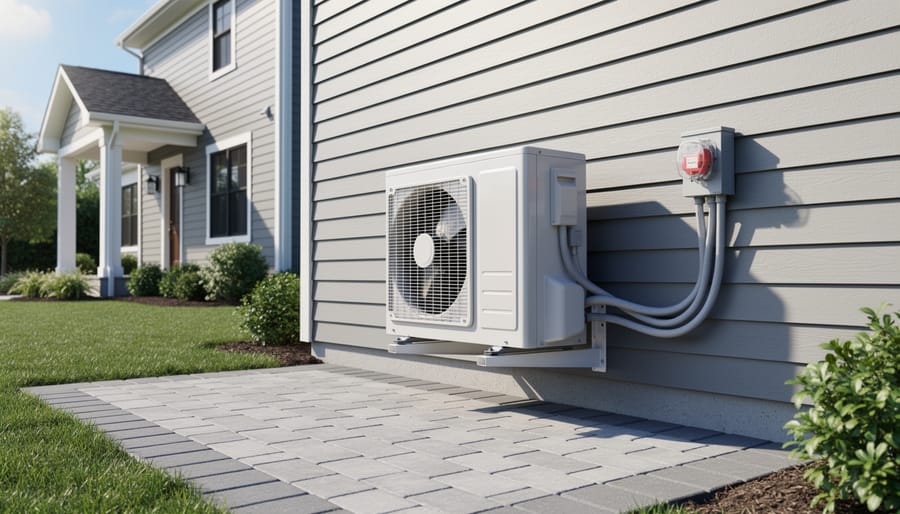
Heat pumps work more like refrigerators running in reverse. They use electricity to power a compressor and fan that move refrigerant through a closed loop. Rather than generating heat, they extract it from outdoor air (even when it’s cold) and concentrate it indoors. The refrigerant absorbs heat energy outside, gets compressed to raise its temperature further, then releases that heat inside your home through an indoor coil. In summer, the cycle reverses to provide cooling.
This distinction matters for efficiency: moving existing heat takes less energy than creating it from scratch. For every unit of electricity a heat pump consumes, it can deliver three to four units of heating, while gas furnaces max out around 98% efficiency by design.
Types of Heat Pumps and Their Power Sources
All heat pump types rely solely on electricity, none burn natural gas or any other fuel. The three main categories differ in where they source ambient heat, but their power requirement remains the same: a connection to your electrical system.
Air-source heat pumps extract heat from outdoor air and represent the most common residential option. They work efficiently even in cold climates, with modern cold-climate models operating effectively well below freezing. Installation is straightforward since they only require outdoor unit placement and electrical wiring.
Ground-source (geothermal) heat pumps draw heat from the stable temperature of the earth through buried pipes. Geothermal and air heat pumps both run on electricity, but ground-source systems typically deliver higher efficiency because underground temperatures stay consistent year-round. They cost more upfront due to excavation requirements but often provide greater long-term savings.
Water-source heat pumps use nearby water bodies, ponds, lakes, or wells, as their heat exchange medium. Like their ground-source cousins, they need electricity to run the compressor and circulate refrigerant, and they excel in efficiency when water temperatures remain stable.
Regardless of which type suits your property, your monthly operating cost will appear on your electric bill, not your gas bill.
Who Should Consider Switching from Natural Gas to a Heat Pump
Climate and Home Characteristics
Modern heat pumps have come a long way since the early models that struggled in freezing weather. By 2026, cold-climate heat pumps can extract usable heat from outdoor air at temperatures as low as -15°F to -25°F, making them viable even in northern states. These systems use variable-speed compressors and advanced refrigerants to maintain efficiency when temperatures drop, though you’ll still see performance decline in extreme cold. If your region regularly dips below zero, you might need a slightly larger unit or a backup heat source for the coldest days.
Your home’s insulation matters more with a heat pump than it did with a gas furnace. Heat pumps deliver steady, moderate warmth rather than blasts of hot air, so poorly insulated walls, attics, or crawl spaces will force the system to run longer and cost you more. Think of insulation as the foundation: before assessing heat pump eligibility seal air leaks and upgrade to at least R-38 in the attic and R-13 in walls if you haven’t already. An energy-efficient home retains heat better, letting the heat pump work less hard.
Home size directly affects which heat pump you need. Cold-climate heat pump sizing requires a detailed load calculation, not guesswork based on square footage alone. A 1,500-square-foot ranch with good insulation might need a smaller unit than a drafty 1,200-square-foot bungalow. Get a Manual J load calculation from your contractor to match capacity to your actual heating and cooling needs.
Financial and Environmental Readiness
Switching to a heat pump requires upfront investment, but the financial picture has improved significantly in 2026. Typical installation costs range from $8,000 to $20,000 depending on system type, home size, and whether you need electrical panel upgrades. Federal tax credits for heat pumps can cover up to 30% of equipment and installation costs, capped at $2,000 for qualified systems. Many utilities and states layer on additional rebates, some homeowners see $3,000 to $6,000 in combined incentives, bringing net costs closer to gas furnace replacements.
Payback periods typically fall between five and twelve years, driven by your local electricity rates, gas prices, and how much heating and cooling you use. In regions with low electricity costs or high gas prices, heat pumps can pay for themselves faster. Factor in that you’re replacing both your furnace and air conditioner with one system, the combined savings accelerate returns.
Environmental readiness matters too. If reducing your carbon footprint drives your decision, heat pumps deliver immediate emissions cuts, especially as the grid adds more renewables. They eliminate direct fossil fuel combustion in your home. If your primary goal is cost savings alone, run the numbers carefully: heat pumps shine brightest where climate, rates, and incentives align favorably.
How to Switch from Natural Gas Heating to an Electric Heat Pump
Assessment and Planning
Before you commit to a heat pump, you need solid numbers about your home’s energy needs. Start with a residential energy audit a professional assessment that identifies air leaks, insulation gaps, and inefficient areas. The auditor will use blower door tests and thermal imaging to show exactly where your home loses heat, which directly affects what size heat pump you need.
Next comes the heating and cooling load calculation. A qualified HVAC contractor uses Manual J methodology to determine the precise BTU capacity required for your space, factoring in square footage, insulation levels, window quality, and local climate. This prevents oversizing or undersizing, both of which waste money and reduce comfort.
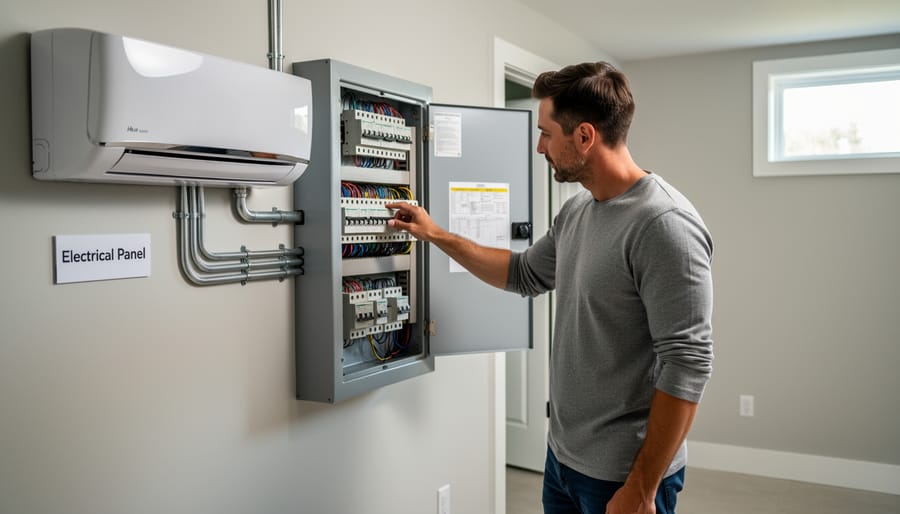
Your electrical panel deserves close attention. Most heat pumps need a dedicated 240-volt circuit, and older homes often require a panel upgrade from 100 to 200 amps. Have an electrician inspect your service capacity before getting heat pump quotes, that $1,500 to $3,000 upgrade cost matters for your budget.
Finally, get at least three detailed quotes from licensed, heat-pump-certified contractors. Each quote should specify equipment model numbers, SEER2 and HSPF2 ratings, labor breakdown, electrical work costs, and warranty coverage. Compare not just total price but also system efficiency, contractor experience with your heat pump type, and what’s actually included in the installation.
Installation and System Integration
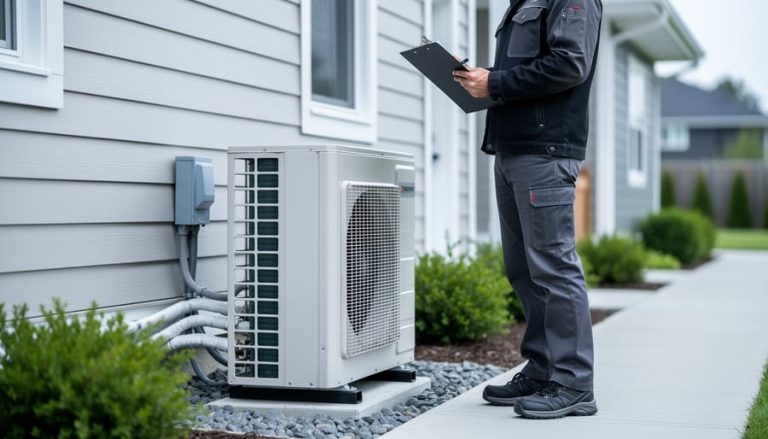
The installation itself typically takes one to three days depending on your system type and home layout. For a ducted heat pump replacing a gas furnace, the crew will disconnect your old equipment, install the new indoor air handler in the same space, and position the outdoor unit on a concrete pad or wall-mounted bracket. If your ductwork is in good shape, they’ll connect the new system directly; older or leaky ducts may need sealing or modifications to handle the different airflow characteristics of heat pumps.
Mini-split installations move faster, often completed in a single day, since they don’t rely on existing ducts. The technician mounts indoor heads on walls in the rooms you want to heat and cool, then runs refrigerant lines and electrical conduit through small holes to the outdoor unit. This approach works well if you’re adding heat pump capacity to specific zones or have no ductwork at all.
Expect some disruption: installers will need clear access to your utility room, attic, or crawl space, and they’ll run new electrical wiring from your panel to both indoor and outdoor units. They’ll pressure-test refrigerant lines, verify airflow, program the thermostat, and walk you through basic operation before they finish. Plan to be home during installation to answer questions about placement and to sign off on the completed work. Most reputable contractors will return within a week to check system performance and address any initial concerns.
Decommissioning Your Gas System
Once your heat pump is installed and running, you’ll need to decide what to do with your old gas furnace or boiler. You have three main options. First, you can keep the gas system as a backup for extremely cold days or power outages, this requires maintaining an active gas connection and periodic servicing to ensure it stays functional. Second, you can remove the equipment entirely and cap the gas line, which eliminates ongoing maintenance costs and maximizes space but removes your fallback option. Third, you can disconnect the gas equipment but leave it in place temporarily while you confirm the heat pump meets your needs through a full heating season. Whichever route you choose, hire a licensed HVAC technician and a qualified gas fitter to safely disconnect gas lines, purge remaining fuel, and cap connections to code. Never attempt gas work yourself. Check with your utility about meter removal or service reduction if you’re eliminating gas entirely, you may lower your monthly fixed charges and fully commit to electric heating.
Your Rights, Responsibilities, and What to Expect as a Heat Pump Owner
Ongoing Maintenance and Care
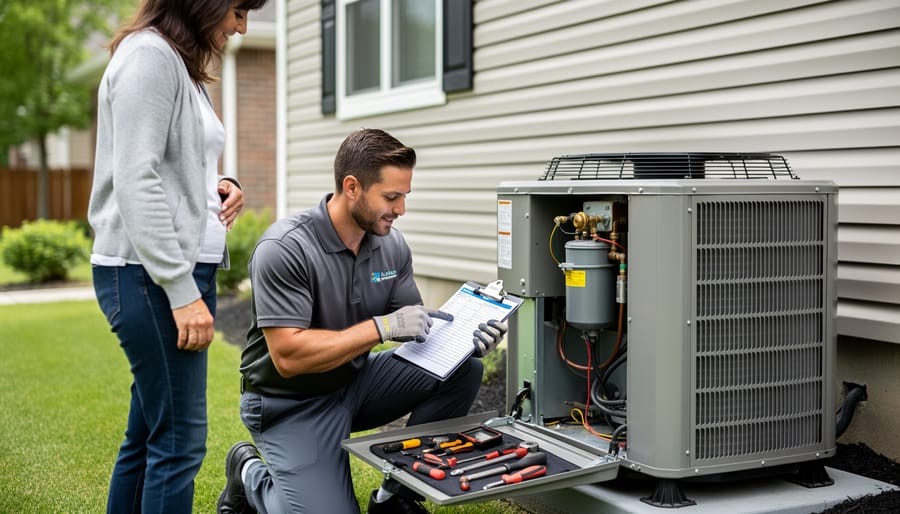
Heat pumps require less maintenance than gas furnaces, no combustion components to clean or replace, but regular care keeps them running efficiently and extends their lifespan.
Filter maintenance is your most frequent task. Check indoor air filters monthly and replace or clean them every one to three months, depending on usage and household conditions. Pets, dust, and continuous operation mean more frequent changes. Clogged filters force the system to work harder, wasting electricity and reducing comfort.
Outdoor unit care is straightforward. Keep the area around your heat pump clear: trim vegetation back at least two feet, remove leaves and debris from the unit, and never let snow or ice block airflow. After storms, check that nothing has blown against the unit. A blocked outdoor coil can’t exchange heat effectively, hurting performance and efficiency.
Professional servicing matters. Schedule an annual tune-up with a qualified technician, ideally in spring or fall before peak heating or cooling season. The tech will check refrigerant levels, inspect electrical connections, clean coils, test controls, and catch small issues before they become expensive failures. This visit typically costs $100, $200 and protects your investment.
Seasonal prep is minimal: clear the outdoor unit before winter, ensure good airflow year-round, and listen for unusual noises that signal a problem.
Understanding Your New Energy Bills
When you switch from natural gas heating to a heat pump, your monthly energy bills will look different. Instead of paying for both gas and electricity, you’ll see nearly all your heating and cooling costs on your electric bill. This consolidation can make budgeting simpler, but it also means your electricity usage will increase significantly during heating season.
Your first few months with a heat pump will show higher kilowatt-hour consumption than before, which can feel surprising even if your total energy spending drops. To understand your actual savings, compare your combined gas-plus-electric bills from previous years to your new electric-only bills. Many utilities offer online tools that graph your monthly usage and costs, making it easier to spot trends. Track these numbers for at least one full heating season to get an accurate picture of your annual expenses.
Some utilities charge demand fees based on your peak electricity use during specific times of day. If your area has time-of-use rates or demand charges, you can manage costs by running your heat pump during off-peak hours when possible, or by pairing it with a smart thermostat that shifts heavy heating to cheaper rate periods. Understanding heat pump electricity consumption patterns helps you optimize your schedule and avoid unnecessary charges.
Set a baseline by noting your average cost per degree-day during your first winter, then compare it year over year. This approach accounts for weather variations and gives you a reliable measure of whether your system is performing efficiently or needs attention.
Where to Get Help and Find Reliable Information
Finding trustworthy guidance and financial support makes your heat pump transition smoother. Start with the Database of State Incentives for Renewables & Efficiency (DSIRE), which tracks rebates, tax credits, and utility programs available in your area for 2026. Many utilities now offer direct rebates or contractor networks specifically for heat pump installations, so check your local electric and gas utility websites, even if you’re moving away from gas heating, your gas utility may still offer electrification incentives.
For technical information and qualified contractors, turn to established industry bodies. The Air Conditioning Contractors of America (ACCA) and North American Technician Excellence (NATE) maintain searchable directories of certified professionals who meet rigorous training standards. When vetting contractors, ask for their certifications, request multiple detailed quotes, check references from recent heat pump installations, and verify they’re licensed and insured in your state.
Key resources to bookmark:
- U.S. Department of Energy’s Energy Saver website for unbiased heat pump information and planning tools
- State energy offices (find yours through ) for local programs, rebates, and climate-specific guidance
- Utility company rebate portals for direct cash incentives and pre-qualified contractor lists
- NATE and ACCA certification databases to locate credentialed HVAC technicians near you
- EnergyStar’s heat pump calculator to estimate costs, savings, and appropriate system sizes
Don’t overlook community support. Online forums like GreenBuildingAdvisor and Heat Pump Forum connect you with homeowners who’ve completed similar transitions and can share real-world experiences. Local energy efficiency nonprofits often provide free consultations or connect you with trusted contractors who’ve demonstrated quality work in your region. Your state’s weatherization assistance program may offer audits or financial help if you meet income guidelines, ensuring cost isn’t a barrier to cleaner heating.
How to Apply or Complete the Process
Switching to a heat pump doesn’t involve a formal “application” in the traditional sense, but you’ll work through several administrative steps to complete the process properly.
Start by submitting rebate applications while your installation is still in progress or immediately after. Most utility and state incentive programs require you to apply before installation begins, so check deadlines carefully. You’ll typically need proof of purchase, contractor invoices, equipment model numbers, and sometimes photos of the installed system.
Next, ensure your contractor pulls the necessary permits and arranges required inspections. Local building departments will inspect electrical work and the heat pump installation to verify code compliance. Your contractor handles this, but confirm it’s done, unpermitted work can complicate future home sales.
File any tax credit claims when you prepare your annual return. The federal residential clean energy credit lets you claim a percentage of installation costs, and you’ll need IRS Form 5695 along with your itemized receipts.
Finally, register your equipment warranty with the manufacturer within 60 days of installation. This protects your investment and ensures you qualify for full coverage if repairs are needed. Keep all documentation in one place for future reference.
What to Watch For
Before you commit to switching from gas to a heat pump, watch for these critical factors that can make or break your experience:
Electrical capacity is non-negotiable. Many homes with gas heating have undersized electrical panels (100-amp service) that can’t handle a heat pump’s draw. If your contractor doesn’t assess your panel and calculate loads before quoting, that’s a red flag. Budget for a panel upgrade if needed, skipping this step leads to tripped breakers and failed installations.
Contractor certification matters more than price. The lowest bid often comes from installers inexperienced with heat pumps, who may size the unit incorrectly or botch the refrigerant charge. Look for NATE certification specific to heat pumps and ask for references from cold-climate installations if you’re in a northern region.
Don’t assume instant savings. Your first winter will reveal whether the system was sized and installed correctly. If your backup heat strips run constantly or your bills spike unexpectedly, something’s wrong, and it’s easier to address under warranty than years later.
Common Questions About Heat Pumps and Natural Gas
Can I use a heat pump and keep my natural gas furnace as backup?
Yes, many homeowners run a dual-fuel or hybrid system where the heat pump handles most heating and cooling, and the gas furnace kicks in during extreme cold or as a failsafe. This setup offers flexibility while you transition away from gas over time.
Are heat pumps actually cheaper to run than natural gas heating?
It depends on local electricity and gas rates, your home’s efficiency, and the heat pump’s performance rating. In many regions, modern heat pumps deliver lower operating costs than gas furnaces, especially when you factor in cooling season savings and available rebates. Run the numbers for your specific utility rates to get a clear picture.
How do heat pumps perform in really cold weather?
Today’s cold-climate heat pumps maintain full heating capacity down to -15°F or lower, a huge improvement over older models. They’ll work through most winter conditions without supplemental heat, though efficiency does drop as temperatures fall, plan for slightly higher electric bills during deep cold snaps.
What happens to my heat pump during a power outage?
Heat pumps need electricity to run, so they stop working when the power goes out, just like a gas furnace, which also requires electricity for its blower and controls. If outages are common in your area, consider a backup generator or a dual-fuel system for redundancy.
These questions come up repeatedly when homeowners weigh the switch from gas. The hybrid approach appeals to those nervous about letting go of their existing system entirely, and it buys time to see how the heat pump performs through a full heating season. Cost comparisons get tricky because they hinge on your local rates and how well your home retains heat, but the efficiency gains from a high-SEER heat pump often offset higher per-unit electricity costs. Cold-weather performance has improved dramatically, making heat pumps viable even in northern climates where they were once impractical. And while power outages affect both systems, a heat pump won’t leave you with the gas line as a fallback unless you’ve kept that equipment in place, something to think through if reliability matters more than eliminating gas entirely.
Heat pumps represent a clear alternative to natural gas heating, one powered entirely by electricity and designed to reduce both your carbon footprint and your long-term energy costs. While the upfront investment requires careful planning, the technology has matured significantly, and the support infrastructure in 2026 makes switching more accessible than ever. Federal incentives, utility rebates, and a growing network of qualified installers are all in place to help you make the transition.
The first step is simple: schedule a home energy audit or request quotes from certified heat pump contractors in your area. This gives you concrete numbers, what size system you need, what it will cost, and how much you’ll save over time. You’ll also learn whether your home needs any electrical upgrades and what incentives you qualify for.
Moving away from natural gas isn’t just about immediate savings. It’s about investing in a heating and cooling system that becomes cleaner as the electrical grid does, that requires less maintenance than combustion equipment, and that positions your home for a future where electrification is the standard. The path forward is clearer now than it’s ever been, start with that audit, and take it from there.