Heat pumps do use electricity, sometimes noticeably more than your old furnace or boiler consumed in monthly bills, but they deliver two to four times more heating or cooling energy than the electricity they draw. That efficiency advantage means you’re typically spending less per unit of comfort, even if the kilowatt-hour total climbs.
The shift matters because most homeowners evaluate heat pumps against gas furnaces or oil boilers that hide fuel costs in a separate budget line. Electricity becomes your sole energy expense with a heat pump, consolidating what used to be split across multiple utilities. This consolidation can make your electric bill look startling at first glance, particularly during cold snaps when the system runs continuously. Understanding the real cost picture requires comparing total energy spending, not just focusing on one utility account.
Heat pump electricity consumption varies widely based on climate, home insulation, system sizing, and how you manage thermostat settings. A poorly insulated home in a frigid climate will push the system harder and rack up higher costs than a well-sealed house in a moderate region. Modern variable-speed models adjust output to match demand precisely, avoiding the energy waste of older single-stage units that cycle on and off repeatedly.
This guide breaks down what drives heat pump electricity use, how consumption stacks up against traditional heating and cooling methods, and specific strategies to keep your operating costs in check. You’ll learn to evaluate whether a heat pump makes financial sense for your situation and how to optimize performance once it’s installed.
What ‘Electricity Use’ Really Means for Heat Pumps
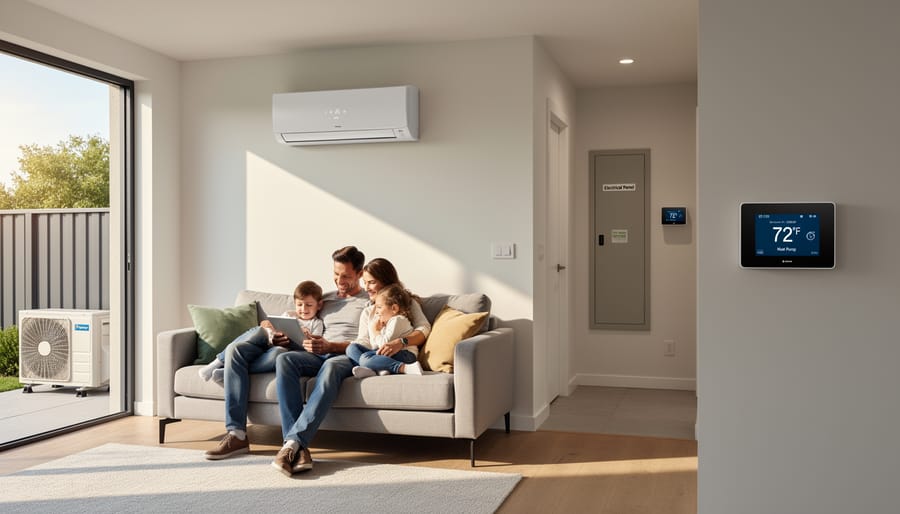
When homeowners ask whether heat pumps use a lot of electricity, they’re usually focused on one number: their monthly electric bill. But understanding what heat pumps actually do with electricity reveals why this question needs a more nuanced answer than a simple yes or no.
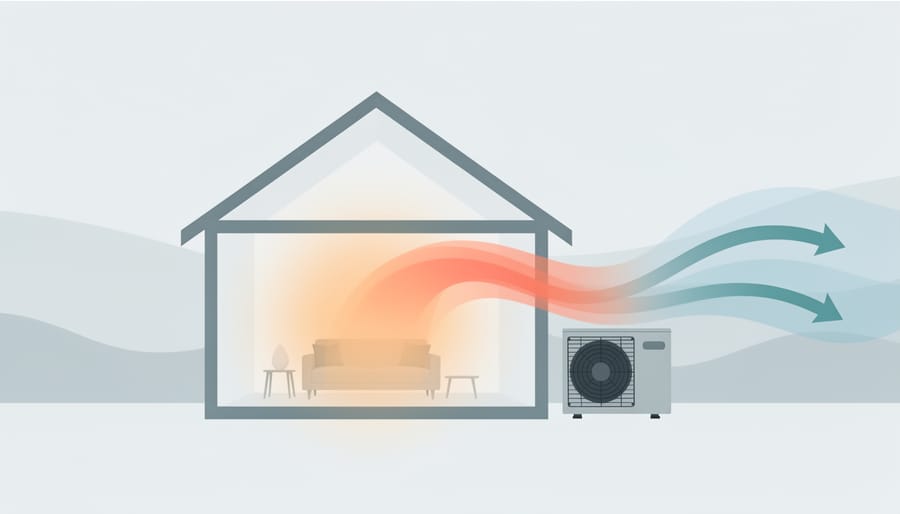
Heat pumps don’t generate heat the way a space heater or electric furnace does. Instead, they move existing heat from one place to another, pulling warmth from outdoor air (even when it’s cold) and transferring it inside during winter, then reversing the process in summer. This fundamental difference means that while heat pumps do run on electricity, they deliver far more heating or cooling energy than the electricity they consume. Think of it as the difference between carrying buckets of water versus pumping water through a hose: both require energy, but one accomplishes much more with the same effort.
To evaluate heat pump electricity use properly, you need to understand a few essential terms:
- Kilowatt-hour (kWh)
- The unit your utility company uses to measure electricity consumption, one kWh equals running a 1,000-watt appliance for one hour. Your heat pump’s total monthly kWh determines your actual electricity cost.
- Coefficient of Performance (COP)
- A ratio showing how many units of heat a heat pump delivers per unit of electricity consumed. A COP of 3 means you get three units of heat for every one unit of electricity, a 300% efficiency rate impossible with resistance heating.
- HSPF2 and SEER2
- Seasonal efficiency ratings for heating and cooling respectively, reflecting real-world performance across temperature ranges. Higher numbers indicate better efficiency and lower operating costs over time.
- BTU (British Thermal Unit)
- A measure of heating or cooling output, how much thermal energy the system delivers to your home. Heat pumps are sized and rated by their BTU capacity.
This efficiency multiplier is what makes heat pumps different from every other electric heating option. An electric resistance heater has a COP of 1.0, you get exactly the amount of heat equal to the electricity you put in. A heat pump in moderate conditions might have a COP of 3.5, meaning you’re getting 3.5 times more heating than the electricity consumed. Even in colder weather when efficiency drops, heat pumps typically maintain a COP above 2.0, still doubling your heating output compared to resistance heating.
The distinction between total electricity consumption and efficiency matters enormously for your wallet and the environment. A heat pump might draw more total kilowatt-hours than a gas furnace draws electricity (since gas furnaces only use electricity for fans and controls), but it’s replacing both the furnace and the air conditioner while using less total energy than generating that heat would require.
How Heat Pumps Consume Electricity (and Why It’s Different)
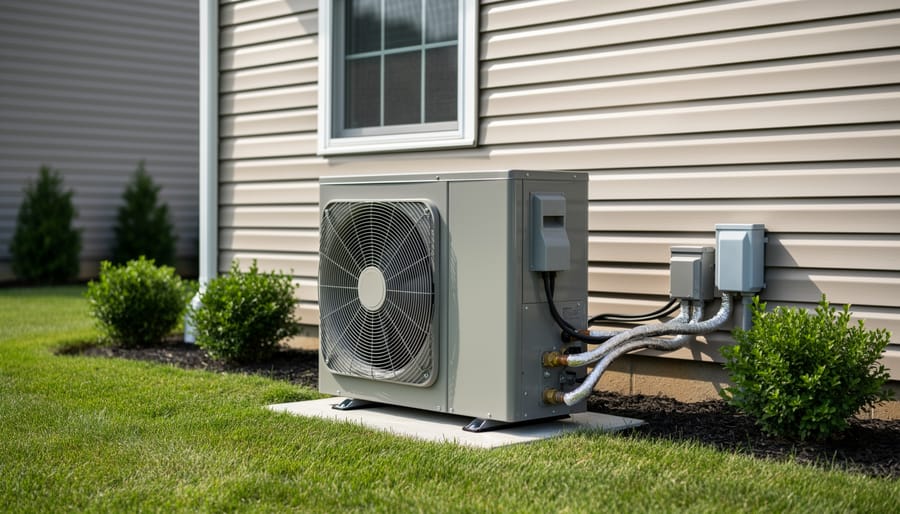
Heat pumps operate on a fundamentally different principle than conventional heating systems, which explains why they use electricity more efficiently. Instead of burning fuel or converting electricity into heat directly, heat pumps move existing heat from one place to another, like a refrigerator running in reverse. This transfer process requires far less energy than creating heat from scratch.
The refrigeration cycle at the heart of every heat pump involves four key components: a compressor, condenser, expansion valve, and evaporator. Refrigerant circulates through this closed loop, absorbing heat in one location and releasing it in another. During heating mode, the outdoor unit extracts heat from outside air (or ground or water) even when it feels cold, concentrating that thermal energy and transferring it indoors. In summer, the cycle reverses to remove heat from your home.
Here’s where the efficiency advantage becomes clear: the compressor uses electricity only to move heat around, not generate it. For every kilowatt-hour of electricity consumed, a properly functioning heat pump moves two to four kilowatt-hours worth of heat. This multiplier effect, measured as the coefficient of performance (COP), means a heat pump COP exceeds 1 typically ranging from 2.5 to 4.0 in moderate conditions. A COP of 3, for instance, means your heat pump delivers three units of heating for every unit of electricity consumed.
Traditional resistance heating systems, including electric furnaces, baseboard heaters, and space heaters, convert electricity to heat at a 1:1 ratio, achieving a COP of exactly 1.0. Gas furnaces, while using less electricity for operation, still waste energy through combustion losses and exhaust. Even a 95% efficient gas furnace loses 5% of its energy up the flue, whereas a heat pump extracts and uses heat that already exists in the environment.
This transfer mechanism explains why heat pumps can reduce heating energy consumption by 50% or more compared to electric resistance heating, even though they run on electricity. The physics of moving heat beats the physics of generating it, and that difference shows up directly in your energy bills.
Types of Heat Pumps and Their Electricity Demands
Air-Source Heat Pumps
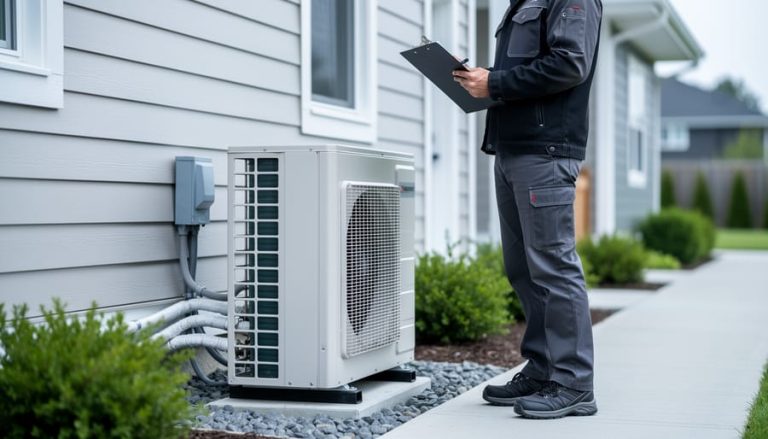
Air-source heat pumps extract heat from outdoor air and are the most popular choice for residential installations due to their lower upfront costs and straightforward installation. Their electricity consumption varies significantly based on outdoor temperature. When it’s mild, say 40°F to 60°F, a typical unit might use 2-3 kWh per hour while heating a 2,000-square-foot home. But as temperatures drop below freezing, electricity demand increases because the unit works harder to extract heat from colder air.
In traditional models, efficiency drops sharply below 25°F, sometimes requiring backup electric resistance heat that can triple electricity use. However, cold-climate heat pumps introduced in recent years maintain efficient operation down to -15°F or lower. These advanced units use variable-speed compressors and enhanced refrigerants to sustain heat output without relying on energy-hungry auxiliary heating.
For homeowners in moderate climates, air-source heat pumps typically consume 500-1,200 kWh monthly during peak heating or cooling seasons. Cold-climate models in northern regions might reach 1,500-2,000 kWh during harsh winter months, but still outperform electric furnaces by 200-300%.
Ground-Source (Geothermal) Heat Pumps
Ground-source heat pumps tap into the earth’s constant underground temperature, typically 45-58°F year-round, making them the most efficient residential option available. Because the ground temperature stays stable regardless of outside weather, these systems use 25-50% less electricity than air-source models. A typical 2,000-square-foot home with a geothermal system might consume 4,000-6,000 kWh annually for heating and cooling combined, translating to roughly $500, $750 per year at 2026 average rates.
The catch is upfront investment. Installation requires drilling vertical boreholes or trenching horizontal ground loops, pushing total costs to $20,000, $40,000 before incentives. However, this premium buys predictable electricity consumption that doesn’t spike during temperature extremes. Your winter heating bills stay remarkably consistent because the system never struggles against sub-zero outdoor air.
For homeowners planning to stay put for 10-plus years, the stable operating costs and 20-25 year equipment lifespan make geothermal systems a compelling choice despite the initial expense. Federal tax credits and state rebates in 2026 can offset 30% or more of installation costs, improving the payback timeline considerably.
Water-Source and Hybrid Systems
Water-source heat pumps tap into nearby bodies of water, ponds, lakes, or wells, to exchange heat, offering efficiency comparable to ground-source systems in suitable locations. They’re rare in residential settings because they require reliable water access and often face permitting challenges. Electricity consumption stays remarkably stable since water temperature varies less than air, typically using 25-50% less electricity than air-source models in extreme weather.
Hybrid systems pair a heat pump with a backup furnace, automatically switching based on outdoor temperature and energy prices. When electricity costs spike or temperatures plunge below the heat pump’s efficient range (usually 25-35°F), the system shifts to gas or oil. This flexibility keeps electricity bills predictable while maintaining comfort, making hybrids particularly appealing in regions with volatile energy markets or harsh winters where all-electric systems would strain budgets.
Real-World Electricity Usage: What to Expect on Your Bill
A 1,500-square-foot home in a moderate climate typically uses between 500 and 1,200 kWh per month to run a heat pump for both heating and cooling. At the 2026 national average electricity rate of approximately $0.16 per kWh, that translates to roughly $80 to $192 monthly, or $960 to $2,304 annually. In milder months when you’re only heating or cooling occasionally, consumption drops to 200-400 kWh ($32-$64), while peak winter or summer months can push usage toward the higher end of the range.
For a larger 2,500-square-foot home, expect 800 to 1,800 kWh monthly ($128 to $288), depending on how hard your system works. A smaller 1,000-square-foot space might use just 350 to 800 kWh ($56 to $128). These figures assume a properly sized, well-maintained heat pump in a home with decent insulation.
Climate dramatically shifts these numbers. In Portland, Oregon, where winters are mild and summers moderate, a typical home might average 700 kWh monthly year-round. Move to Minneapolis, and that same home could spike to 1,500-2,000 kWh during January cold snaps, especially if auxiliary electric resistance heat kicks in below 15°F. Conversely, a Phoenix home focuses consumption on cooling, potentially using 1,400 kWh in July but only 300 kWh in February.
Several variables directly impact your actual electricity consumption:
- Home size and number of rooms being conditioned
- Insulation quality and air sealing (poorly insulated homes can double consumption)
- Climate zone and seasonal temperature extremes
- Thermostat settings and programming discipline
- Maintenance status, particularly clean filters and coils
- Heat pump age, model efficiency rating, and whether it’s properly sized for your home
Compare these costs to traditional systems, and the picture clarifies. A gas furnace and central AC combination might use only 200-400 kWh of electricity monthly (for the AC compressor, furnace blower, and controls), but you’re also burning natural gas. At 2026 rates averaging $1.50 per therm, a furnace consuming 60-100 therms monthly in winter adds $90-$150 to your gas bill. Total energy costs often land between $120 and $220 monthly during heating season, comparable to or higher than an efficient heat pump running on electricity alone.
Electric resistance heating, like baseboard heaters or an electric furnace, uses similar kWh to a heat pump but without the efficiency multiplier. That same 1,500-square-foot home might consume 2,000-3,000 kWh monthly ($320-$480) for resistance heat, nearly triple what a heat pump requires for identical comfort.
The takeaway: heat pumps consolidate your energy spending into one utility bill, and while that electricity line item looks larger than gas heating alone, you’re eliminating the gas charge entirely and getting cooling included. For most homeowners in 2026, total annual energy costs drop 20-40% after switching from traditional systems to heat pumps.
Heat Pumps vs. Traditional Systems: The Electricity Comparison
Comparing a heat pump’s electricity consumption to traditional heating and cooling systems requires looking beyond the electric meter. While heat pumps draw more electricity than gas furnaces during heating season, they replace both your furnace and air conditioner, a critical detail that changes the math entirely.
A typical gas furnace paired with a central air conditioner might use 500-800 kWh of electricity annually just to run blower motors, ignition systems, and the AC compressor during cooling season. The furnace itself burns natural gas rather than electricity, keeping your electric bill lower in winter. In contrast, a heat pump handling both heating and cooling typically consumes 3,000-6,000 kWh per year in moderate climates, depending on home size and usage patterns. Yes, that’s substantially more electricity.
However, total energy costs tell a different story. In regions where natural gas costs $1.00, $1.50 per therm (2026 averages), a gas furnace might cost $600, $1,200 annually in fuel, plus $150, $300 in electricity for the AC and blower. That’s $750, $1,500 total. A heat pump using 4,500 kWh at $0.16 per kWh costs approximately $720 annually, often less than the combined gas-and-electric approach, especially in milder climates where the heat pump operates at peak efficiency.
Electric resistance heating presents the starkest contrast. Baseboard heaters, electric furnaces, and wall units convert electricity to heat at a 1:1 ratio, making them the most expensive option in most markets. The same home requiring 4,500 kWh with a heat pump might need 15,000-20,000 kWh with resistance heating, triple or quadruple the electricity consumption. Even where gas prices are high, electric resistance rarely competes on cost.
Oil heating systems use minimal electricity for burners and pumps, but heating oil at $3.50, $4.50 per gallon (2026 range) makes them expensive to operate. A home burning 600-900 gallons annually spends $2,100, $4,050 on fuel alone, dwarfing heat pump electricity costs in virtually every scenario.
The key insight: heat pumps shift all your energy consumption to electricity, which initially looks like an increase. But because they move heat rather than generate it, total energy spending typically drops, sometimes dramatically, compared to the combined cost of separate heating and cooling systems.
When Heat Pumps Use More Electricity (and How to Avoid It)
While heat pumps are inherently efficient, certain conditions and mistakes can spike electricity consumption unnecessarily. Understanding these pitfalls, and how to avoid them, keeps your system running economically.
Extreme cold triggers auxiliary heat. When outdoor temperatures drop below your heat pump’s balance point (typically 25-35°F for standard models, lower for cold-climate units), electric resistance strips kick in to supplement heating. These backup elements consume two to three times more electricity than the heat pump itself. Solution: Upgrade to a cold-climate heat pump rated for your region, or pair your system with a dual-fuel setup using a gas furnace for the coldest days. Set your thermostat to avoid triggering auxiliary heat during mild cold snaps.
Undersized units run constantly without reaching temperature. A heat pump too small for your home’s heating load operates nonstop, racking up electricity costs while struggling to maintain comfort. This often happens when contractors underestimate heating needs or cut corners on load calculations. Solution: Ensure proper Manual J load calculations before installation, accounting for your home’s actual square footage, insulation and air sealing levels, and climate zone.
Poor installation sabotages efficiency. Incorrect refrigerant charge, improper airflow, or poorly sized ductwork forces the system to work harder. Even a 10% refrigerant undercharge can increase electricity use by 20%. Solution: Hire certified HVAC contractors who follow manufacturer specifications precisely. Request verification of refrigerant charge and airflow measurements post-installation.
Neglected maintenance reduces performance. Dirty filters restrict airflow, forcing the compressor to run longer. Debris-clogged outdoor coils prevent effective heat transfer. A neglected system can use 25% more electricity than a well-maintained one. Solution: Change filters monthly during heavy-use seasons, keep outdoor units clear of leaves and snow, and schedule annual professional tune-ups. Following weatherization tips also reduces the heating load your heat pump must meet, cutting electricity demand at the source.
Maximizing Efficiency and Minimizing Electricity Costs
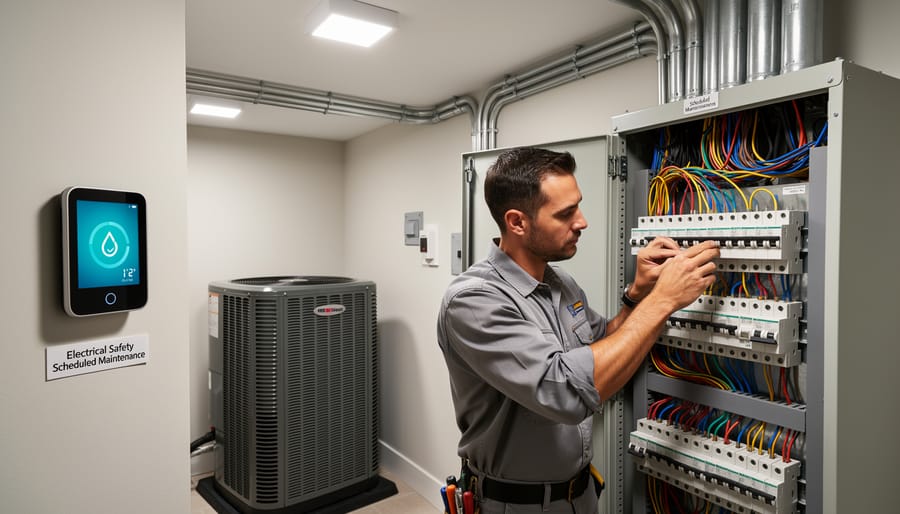
You’ve already invested in a heat pump, now make that investment count by running it as efficiently as possible. Small adjustments can trim hundreds of dollars from your annual electricity bill while extending your system’s lifespan.
Start with sizing. An oversized heat pump cycles on and off constantly, wasting electricity and wearing components faster. An undersized unit runs nonstop, struggling to maintain temperature and burning through power. Work with a qualified HVAC contractor who performs a proper Manual J load calculation before installation, factoring in your home’s square footage, insulation, window quality, and local climate. Getting this right from the outset matters more than any optimization trick you apply later.
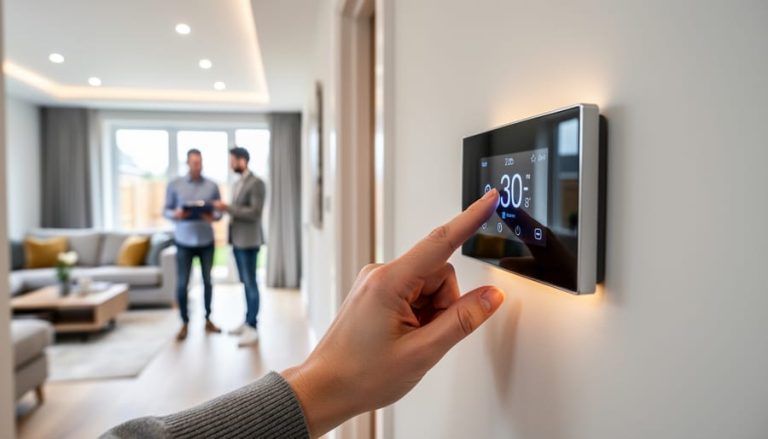
Install a programmable or smart thermostat and use it. Set temperatures back 5-8°F during sleep or when the house is empty, then return to comfort levels before you wake or arrive home. Unlike old resistance heaters, heat pumps recover efficiently from setbacks without huge spikes in electricity use. Avoid “emergency heat” settings except in true emergencies, that’s pure resistance heating at three times the cost.
Keep your system clean. Dirty air filters choke airflow, forcing the compressor to work harder and consume more electricity. Check filters monthly and replace them every one to three months depending on use. Clear debris from outdoor units seasonally, and schedule professional maintenance annually to check refrigerant levels, clean coils, and catch small problems before they become expensive failures.
Integrate your heat pump with broader energy-efficient home design principles. Seal air leaks around windows, doors, and ductwork. Add insulation to attics and crawl spaces. Upgrade to double-pane windows if you’re still running single-pane. Every improvement reduces the heating and cooling load your heat pump must handle, cutting electricity consumption across the board.
These steps deliver compounding returns. A properly sized, well-maintained heat pump in a tight, insulated home might use 40-50% less electricity than the same unit working against poor weatherization and neglect, savings that add up to thousands over the system’s 15-20 year lifespan.
Common Questions About Heat Pump Electricity Use
Do heat pumps work in extreme cold?
Modern cold-climate heat pumps function effectively down to -15°F or lower, though efficiency decreases as temperatures drop. Most systems automatically engage auxiliary electric resistance heating during extreme cold snaps, which temporarily increases electricity consumption but maintains comfort.
Will my electricity bill double with a heat pump?
Your electricity bill typically won’t double, though it will likely increase if replacing gas heating. Most homeowners see electricity costs rise 30-60% while total energy costs (electricity plus eliminated gas bills) drop 20-40%, creating net savings.
Do heat pumps use electricity when not actively heating or cooling?
Heat pumps draw minimal standby power when idle, usually 2-5 watts for control systems and defrost sensors. This phantom load costs roughly $2-5 annually and keeps the unit ready to respond when needed.
Are heat pumps worth it despite higher electricity use?
Yes, because efficiency matters more than total electricity consumed. Heat pumps deliver 2-4 units of heating or cooling per unit of electricity, making them significantly cheaper to operate than electric resistance systems and often competitive with or cheaper than fossil fuel systems when factoring in total energy costs.
How do solar panels affect heat pump operating costs?
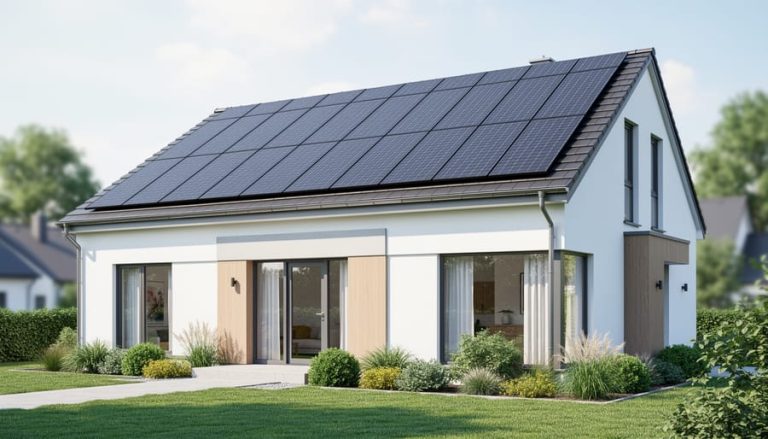
Pairing solar panels with heat pumps can slash or eliminate operating costs, since solar-generated electricity powers the heat pump during daylight hours. Many homeowners pursuing a zero energy home strategy find that solar lowers heat pump costs to near-zero on an annual net basis.
What factors cause higher-than-expected electricity use?
Common culprits include undersized systems running constantly, poorly insulated homes requiring more heating and cooling, dirty filters restricting airflow, and incorrect thermostat settings that force the unit to work harder. Regular maintenance and proper sizing prevent most efficiency losses.
These questions capture the concerns most homeowners raise when evaluating heat pumps. The reality is that electricity use, viewed in isolation, tells an incomplete story. What matters is the value you receive per kilowatt-hour consumed, and on that metric, heat pumps consistently outperform alternatives. Understanding these common concerns helps frame realistic expectations: your electricity bill will reflect increased consumption, but your wallet will reflect decreased total energy spending.
So, does a heat pump use a lot of electricity? Yes, it does consume electricity, sometimes more than a gas furnace in terms of kilowatt-hours. But here’s what matters: heat pumps deliver three to four times more heating or cooling energy than the electricity they consume. That efficiency translates to lower overall energy costs for most homeowners, particularly when you factor in the elimination of gas bills and the environmental cost of burning fossil fuels.
The 2026 generation of heat pumps performs better than ever, with cold-climate models maintaining efficiency even when temperatures drop below freezing. As electricity grids incorporate more renewable energy, your heat pump becomes progressively cleaner every year it operates, a benefit gas and oil systems can never match. The upfront investment typically pays for itself through reduced energy bills within seven to twelve years, while cutting your home’s carbon footprint immediately.
When evaluating heat pumps, don’t fixate solely on electricity consumption. Calculate your total annual energy costs, including heating fuel, cooling, and water heating if applicable. Consider available incentives, which in 2026 can cover 30% or more of installation costs. Factor in the environmental impact and energy independence that comes with electrification.
Ready to make the switch? Start by getting multiple quotes from certified installers, ensuring they conduct a proper heat load calculation for your home. Request performance estimates based on your local climate and electricity rates. A well-chosen, correctly sized heat pump won’t just reduce your environmental impact, it’ll deliver comfortable, cost-effective heating and cooling for decades.