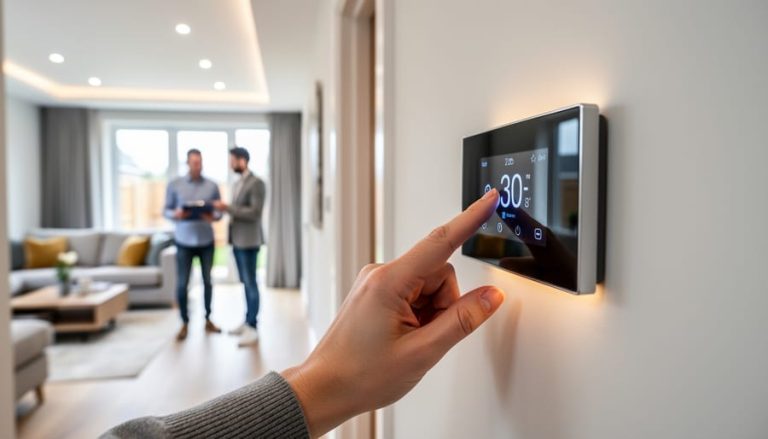
Heat pumps offer one of the most effective ways to reduce your home energy costs while eliminating fossil fuel dependence. These systems move heat rather than generate it, allowing you to heat and cool your home using up to 75% less electricity than traditional HVAC systems. The result? You can fix rising bills while dramatically cutting your carbon footprint.
The technology works simply: a heat pump extracts warmth from outdoor air (even in freezing temperatures) and transfers it inside during winter, then reverses the process to cool your home in summer. Think of it as a refrigerator that can run in both directions. Most homeowners see energy bill reductions of $500 to $1,200 annually after switching from oil, propane, or electric resistance heating.
Right now, federal tax credits cover up to 30% of installation costs, and many states offer additional rebates that can bring your out-of-pocket expense down significantly. The typical installation takes one to three days, depending on whether you’re replacing an existing system or adding supplemental heating capacity.
But heat pumps aren’t a universal solution. Your home’s insulation quality, existing ductwork, and local climate all influence whether a heat pump makes financial sense for your situation. Cold-climate models have expanded the viable territory considerably in recent years, yet proper sizing and installation remain critical to achieving the efficiency gains that make this technology worthwhile.
This guide walks you through everything you need to evaluate whether a heat pump fits your home, understand the complete installation process, and find qualified professionals who can help you make the transition.
What Heat Pumps Are and How They Work
Heat pumps represent a fundamentally different approach to home climate control than traditional furnaces or air conditioners. Instead of burning fuel or using electric resistance coils to generate heat, heat pumps transfer heat from one place to another using a refrigeration cycle, the same technology that keeps your refrigerator cold. During winter, a heat pump extracts heat from outdoor air, ground, or water and moves it inside. In summer, it reverses the process, pulling heat from your home and releasing it outdoors. This process of moving rather than making heat requires far less energy, which is why heat pumps can deliver two to four times more heating or cooling energy than the electricity they consume.
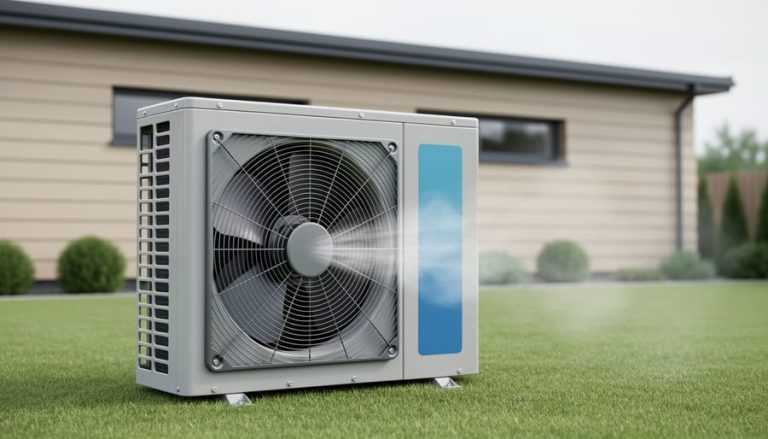
The three main heat pump types are air-source, ground-source, and hybrid systems. Air-source heat pumps are the most common and affordable option, extracting heat from outdoor air even when temperatures drop well below freezing. Modern models work efficiently down to -15°F or colder thanks to 2026 technology improvements. Ground-source (geothermal) heat pumps tap into the earth’s stable underground temperature through buried pipes, offering the highest efficiency but requiring more upfront investment and yard space for installation. Hybrid systems pair a heat pump with a traditional furnace, automatically switching to the backup system during extreme cold to optimize efficiency and comfort.
All three types work with your existing ductwork or can be installed as ductless mini-split systems, making them adaptable to most homes. Because they provide both heating and cooling, heat pumps eliminate the need for separate systems. This dual functionality, combined with their efficiency, makes them an increasingly popular choice for homeowners pursuing a zero energy home or simply looking to reduce monthly utility costs while minimizing their carbon footprint.
Key Benefits of Heat Pump Usage
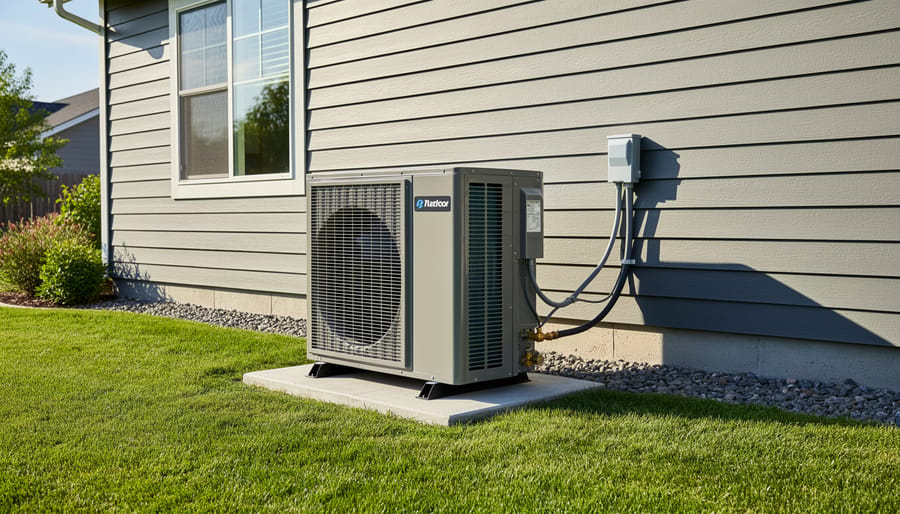
Heat pumps deliver multiple advantages that make them increasingly attractive to homeowners in 2026, from cutting monthly bills to providing climate comfort throughout the year. Understanding these benefits helps you evaluate whether the upfront investment makes sense for your situation.
Energy Efficiency That Translates to Real Savings
The core advantage of heat pumps is their remarkable efficiency: they move heat rather than generate it, using one unit of electricity to transfer three to four units of heat energy. For a typical 2,000-square-foot home in a moderate climate, switching from a natural gas furnace and central air conditioner to an air-source heat pump can save $500 to $900 annually on energy costs. In areas with high electricity rates or low natural gas costs, savings vary, but heat pumps generally reduce energy consumption by 30-50% compared to electric resistance heating and traditional cooling systems.
The Primary Benefits
- Energy savings of 30-50% compared to conventional heating and cooling systems
- Year-round comfort from a single system that both heats and cools your home
- Reduced carbon footprint with emissions reductions from heat pumps ranging from 35-65% versus fossil fuel systems depending on your local electricity grid
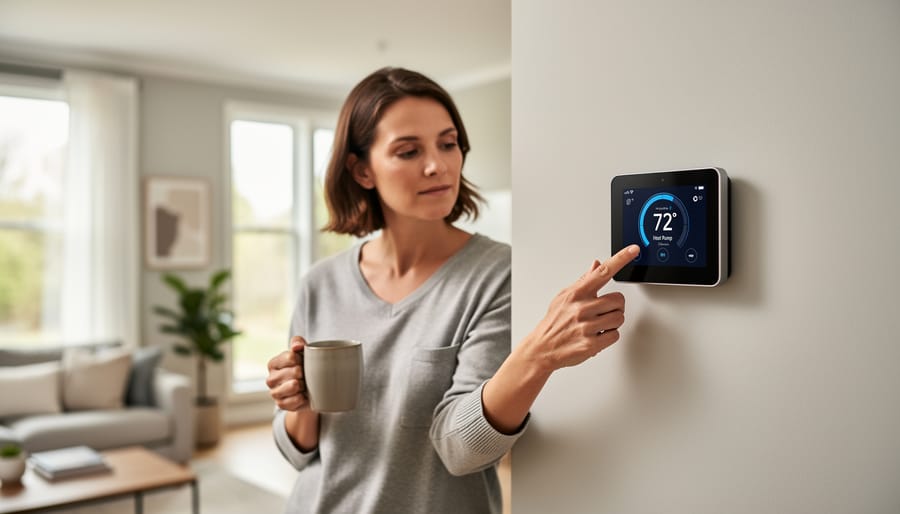
- Lower operating costs from higher seasonal efficiency ratings, especially when paired with smart thermostats
- Improved home value as energy efficiency becomes a priority for buyers
- Quieter operation than traditional HVAC equipment when properly installed
Long-Term Financial Benefits
Beyond monthly savings, heat pumps offer financial advantages that compound over time. The average system lasts 15-20 years with proper maintenance, meaning total lifetime savings can reach $8,000 to $15,000 depending on your climate and replaced equipment. Many utilities offer time-of-use rates that let you heat or cool during off-peak hours at lower costs. When you factor in federal tax credits (currently 30% of installation costs up to certain limits) and state or local rebates that can cover $1,000 to $4,000 of upfront expenses, the effective payback period often drops to five to eight years.
Heat pumps also reduce maintenance complexity by replacing two separate systems with one, cutting service call frequency and parts inventory. Homes with documented heat pump installations sell faster in efficiency-conscious markets, with some studies showing a 4-7% premium for verified energy upgrades.
Is Your Home Eligible for a Heat Pump?
Financial Eligibility: Rebates, Tax Credits, and Incentives
Installing a heat pump is more affordable in 2026 than ever before, thanks to robust financial incentives designed to encourage homeowners to make the switch. Understanding which programs you qualify for can significantly reduce your upfront costs.
At the federal level, the Inflation Reduction Act offers a tax credit covering 30% of equipment and installation costs, up to $2,000 annually for air-source heat pumps. This applies to most homeowners regardless of income. For ground-source (geothermal) systems, the credit covers 30% with no dollar cap, making these higher-efficiency options much more accessible.
Income-qualified households can access even greater savings through the High-Efficiency Electric Home Rebate Act (HEEHRA). Households earning at or below 80% of area median income may receive up to $8,000 in direct rebates for heat pump installation, with those at or below 150% eligible for up to $4,000. These rebates apply at the point of sale, reducing your immediate out-of-pocket expense rather than requiring you to wait for a tax refund.
State and local programs add another layer of support. Many states offer additional rebates ranging from $500 to $3,000, while utility companies frequently provide performance-based incentives for upgrading to an energy efficient home heating system. These programs often stack with federal incentives, though some have income caps or require pre-approval.
To verify current incentive availability in your area, check the Database of State Incentives for Renewables & Efficiency (DSIRE) or contact your utility provider directly. Many installers also assist with identifying applicable programs and completing rebate paperwork, streamlining the process and ensuring you capture all available savings.
How to Install and Integrate a Heat Pump System
Selecting a Qualified Heat Pump Installer
Finding the right installer is just as critical as choosing the right heat pump. Start by verifying that contractors hold North American Technician Excellence (NATE) certification in heat pump installation, along with state-required HVAC licensing and current liability insurance. For ground-source systems, look for International Ground Source Heat Pump Association (IGSHPA) accreditation. Check your state licensing board’s website to confirm credentials and review any complaints.
Ask prospective contractors about their Manual J heat load calculation process, this determines proper system sizing, which directly affects efficiency and comfort. Request references from recent installations similar to your home, and ask how they handle warranty service. A qualified installer should conduct a thorough residential energy audit before recommending a system, not simply match tonnage to square footage.
Red flags include quotes without a home visit, pressure to install immediately, prices significantly below competitors, unwillingness to provide written estimates, or vague answers about sizing methodology. Avoid contractors who dismiss the importance of ductwork evaluation or who recommend oversized systems “to be safe”, oversizing reduces efficiency and shortens equipment life.
Get at least three detailed quotes that specify equipment models, SEER2/HSPF2 ratings, warranty terms, and installation scope. Quality installation costs more upfront but prevents expensive callbacks and ensures your system delivers promised savings.
Your Rights, Obligations, and Maintenance Responsibilities
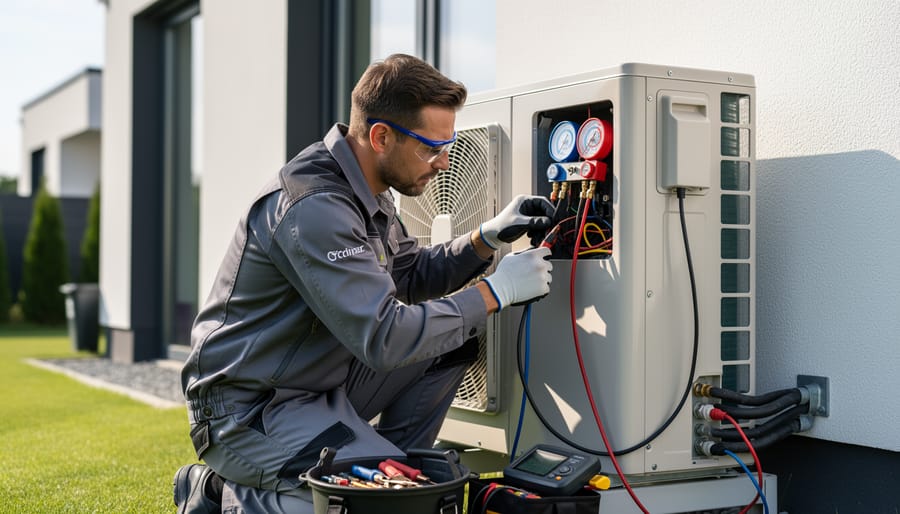
Once you own a heat pump, understanding your responsibilities and rights ensures the system delivers reliable performance for 15 to 20 years or more. Here’s what you need to know.
Your primary maintenance tasks are straightforward but essential. Change or clean air filters every one to three months depending on usage and your home environment, pets and dusty conditions require more frequent changes. Keep the outdoor unit clear of debris, leaves, and snow, maintaining at least two feet of clearance on all sides for proper airflow. Schedule annual professional servicing before each heating season, during which a technician will check refrigerant levels, inspect electrical connections, clean coils, and verify the system operates at peak efficiency. These routine tasks prevent 90% of common heat pump problems and keep your warranty valid.
You have clear rights regarding installation quality and equipment performance. Contractors must complete work according to local codes and manufacturer specifications. If your system underperforms, makes excessive noise, or fails within the first year, you have recourse. Contact the installer first to resolve issues under their workmanship warranty, which typically covers labor for one to two years. For equipment defects, manufacturers warrant parts for five to ten years, with compressors often carrying extended coverage. Document all problems with photos, temperature readings, and dates before contacting the contractor or manufacturer.
If a contractor refuses to address legitimate installation issues, you can file complaints with your state contractor licensing board or the Better Business Bureau. Save all contracts, invoices, and written communication. Most quality installers will resolve problems promptly to protect their reputation, but knowing your rights gives you leverage when needed. Expect minor issues in the first few months as the system settles, but persistent problems warrant immediate attention.
Where to Get Help and Expert Guidance
Navigating the heat pump landscape becomes much easier when you know where to find reliable guidance. Multiple government programs, industry organizations, and non-profit groups exist specifically to help homeowners make informed decisions about heat pump installations.
Start with your state energy office, which can clarify local rebate programs, connect you with energy auditors, and explain state-specific building codes. The Department of Energy’s website offers a heat pump calculator to estimate potential savings and a zip-code-based tool for finding local incentives. These federal resources stay current with 2026 tax credit rules and provide unbiased technical information.
Your utility company likely runs its own energy efficiency programs. Many offer free or subsidized home energy assessments, instant rebates on qualifying heat pump installations, and financing options with below-market interest rates. Call their customer service line or check the energy efficiency section of their website to see what’s available in your area.
When ready to hire a contractor, verify credentials through professional certification bodies rather than relying solely on online reviews. Here are the key resources for finding qualified professionals and support:
- Air Conditioning Contractors of America (ACCA) directory for properly trained HVAC contractors with Manual J load calculation certification
- North American Technician Excellence (NATE) database to find technicians with heat pump-specific credentials
- International Ground Source Heat Pump Association (IGSHPA) for certified ground-source installers and designers
- Local Weatherization Assistance Programs for income-qualified homeowners needing installation help
- Nonprofit energy advisors like local Community Action Agencies that provide free consultations and application assistance
Take your first step by scheduling a home energy assessment through your utility company or state program. This evaluation reveals whether your home is heat pump-ready and identifies any efficiency upgrades to complete first, giving you a clear roadmap forward.
How to Apply or Complete the Process

Starting a heat pump installation involves three distinct administrative phases. First, obtain proper permits from your local building department. Your contractor typically handles this, submitting technical specifications and installation plans for review. Permit fees range from $50 to $500 depending on your municipality. Processing usually takes one to three weeks.
Second, apply for available incentives before installation begins. Most programs require pre-approval. Visit your state energy office website or the Database of State Incentives for Renewables & Efficiency (DSIRE) to identify current programs. Submit your application with required documentation: home energy audit results, contractor estimates, and proof of income if applying for income-based rebates. Keep all receipts and invoices organized.
Third, complete post-installation verification. After installation, your contractor must pass a final inspection to ensure code compliance. For rebate programs, you’ll submit proof of completed work, final invoices, and inspection certificates. Some utility programs require meter readings or system performance data.
Register your equipment warranty immediately after installation. Most manufacturers require registration within 60 to 90 days to activate extended warranty coverage.
Common Questions About Heat Pump Usage
Do heat pumps really work when temperatures plummet below freezing? That’s the question many homeowners ask, especially after hearing older misconceptions about heat pump performance. Modern cold-climate heat pumps have transformed what’s possible in winter weather. Today’s advanced models maintain full heating capacity down to 5°F and continue operating (though at reduced efficiency) down to -15°F or lower. The technology uses improved compressors, enhanced refrigerants, and better defrost cycles that previous generations lacked. If you live where winter regularly brings sub-zero temperatures, look specifically for cold-climate or “low-ambient” rated units.
How loud are heat pumps compared to traditional HVAC systems?
Outdoor heat pump units typically operate at 50-60 decibels, roughly equivalent to a normal conversation or a refrigerator humming. Quality installations with proper mounting and vibration dampening keep noise minimal, and indoor air handlers are generally quieter than traditional furnaces.
Can I keep my existing furnace or boiler as a backup system?
Yes, dual-fuel or hybrid systems pair a heat pump with your existing heating system, automatically switching to the backup when outdoor temperatures drop too low or when it becomes more cost-effective. This setup gives you efficiency in moderate weather and reliability during extreme cold.
What’s the real payback period for a heat pump installation?
Typical payback periods range from 7 to 15 years depending on your climate, current heating costs, available incentives, and heat pump electricity use compared to your existing system. Homes replacing electric resistance heat, propane, or oil see faster returns, sometimes under five years with current 2026 incentives.
How do heat pumps compare to gas furnaces for carbon emissions?
Heat pumps produce significantly lower emissions even when powered by grid electricity that includes fossil fuel sources. As electrical grids incorporate more renewable energy, heat pump carbon advantages grow over time, while gas furnaces remain locked to fossil fuel combustion throughout their lifespan.
Another common concern centers on installation complexity. Heat pumps do require more careful planning than simple furnace replacements since proper sizing directly affects performance and efficiency. An oversized unit cycles on and off too frequently, wasting energy and reducing comfort. An undersized system struggles during temperature extremes. That’s why the home energy assessment we discussed earlier matters so much.
Maintenance frequency also raises questions. Heat pumps need filter changes every one to three months and annual professional servicing, similar to traditional systems. The difference is that you’re maintaining one system that handles both heating and cooling rather than separate units. Some homeowners worry this dual-purpose design means faster wear, but modern heat pumps are engineered for year-round operation with typical lifespans of 15-20 years when properly maintained.
Heat pump technology has reached a tipping point in 2026. What was once considered an alternative heating option has become a practical, cost-effective solution for millions of homeowners seeking to reduce energy bills and environmental impact simultaneously.
The financial equation has fundamentally shifted. Federal tax credits covering up to 30% of installation costs, combined with state rebates and utility incentives, can slash your upfront investment by thousands of dollars. Meanwhile, modern heat pumps deliver efficiency ratings that translate to 40-60% lower heating costs compared to traditional systems. Over a 15-year lifespan, the savings compound substantially.
Beyond the numbers, you’re investing in year-round comfort, increased home value, and meaningful carbon reduction. Each heating season with a heat pump prevents tons of greenhouse gas emissions while maintaining consistent indoor temperatures.
Your first step is simple: schedule a home energy assessment. A qualified professional will evaluate your specific situation, calculate potential savings, and identify available incentives. Most utility companies offer free or subsidized assessments.
Don’t wait for your current system to fail. Start exploring your options now, and you’ll be positioned to make an informed decision that benefits your household and the environment for decades to come.