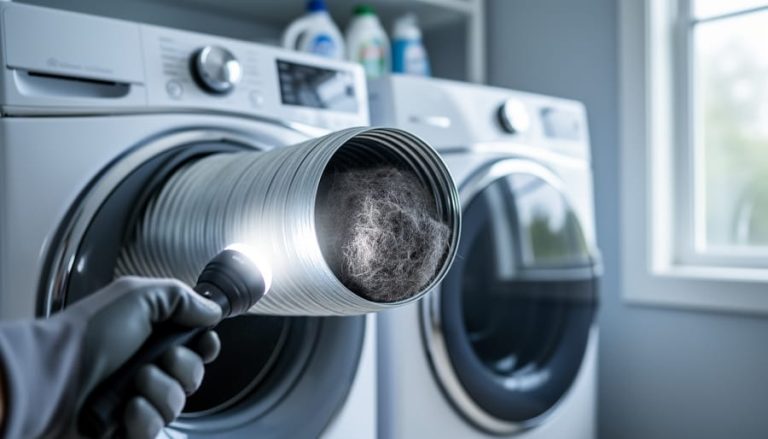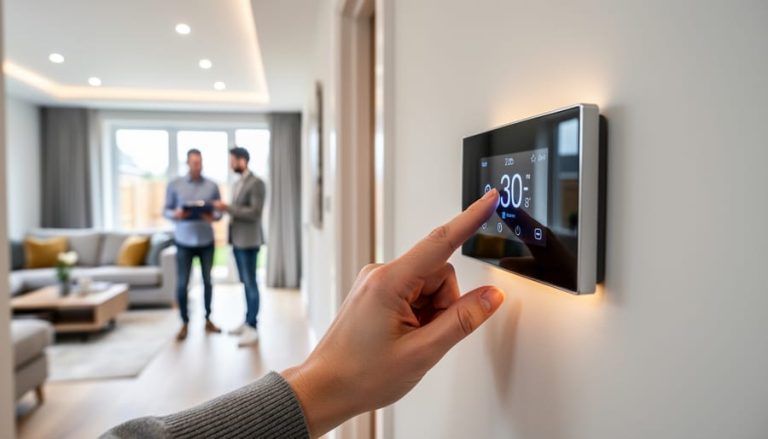
Your home is quietly wasting energy and money right now—through invisible air leaks, inadequate insulation, and inefficient systems that drain resources 24/7. A residential energy audit reveals exactly where these problems exist and provides a clear roadmap to fix them, typically uncovering opportunities to reduce your energy bills by 15-40% while making your home more comfortable year-round.
Think of an energy audit as a health checkup for your house. A certified auditor will systematically examine your home’s energy performance using specialized tools like infrared cameras to detect hidden air leaks, blower door tests to measure overall air tightness, and combustion analyzers to check heating system efficiency. You’ll receive a detailed report identifying specific problem areas—from drafty windows to under-insulated attics—ranked by potential savings and return on investment.
The average residential energy audit costs between $200-$500, though many utility companies offer subsidized or even free audits to their customers. This modest upfront investment typically pays for itself within the first year through reduced energy consumption. More importantly, the audit gives you actionable intelligence: you’ll know precisely which improvements deliver the biggest bang for your buck, whether that’s adding attic insulation, sealing ductwork, or upgrading to an efficient HVAC system.
Beyond immediate cost savings, energy audits help you make informed decisions about home improvements, increase your property value, and significantly reduce your environmental footprint—turning your home into a more sustainable, efficient living space.
What Is a Residential Energy Audit?
A residential energy audit is a comprehensive evaluation of your home’s energy use that identifies where you’re losing energy and money. Think of it as a health checkup for your house—a trained professional examines how efficiently your home uses energy and pinpoints specific improvements that will make the biggest difference to your comfort and utility bills.
There are two main types of energy audits available to homeowners. A DIY assessment involves walking through your home yourself, checking for obvious issues like drafty windows, inadequate insulation in your attic, or an outdated heating system. While this approach costs nothing and can reveal some problems, it lacks the precision and specialized equipment needed to uncover hidden energy waste.
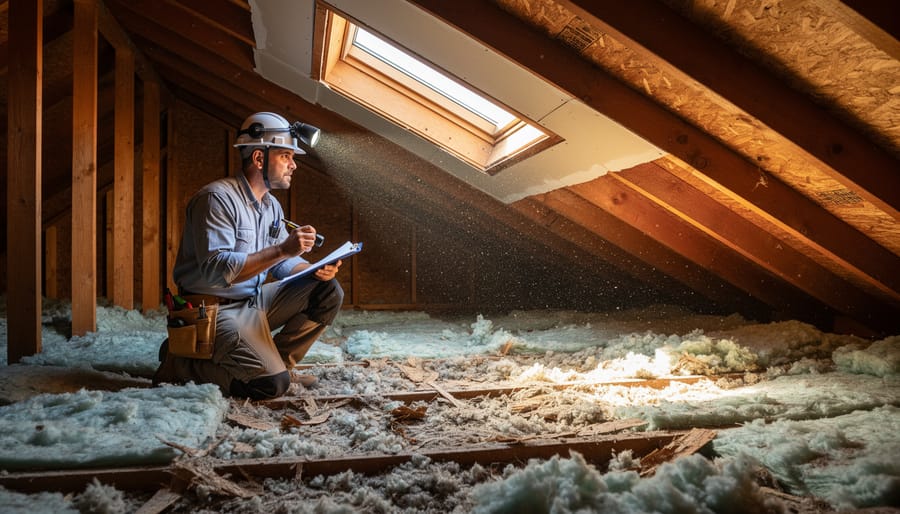
A professional energy audit, on the other hand, provides a thorough analysis using advanced diagnostic tools. During a typical professional audit lasting two to four hours, a certified energy auditor will systematically evaluate your entire home. They’ll inspect your heating and cooling systems, examine insulation levels throughout the structure, and check for air leaks using a blower door test—a powerful fan that depressurizes your home to reveal exactly where air is escaping.
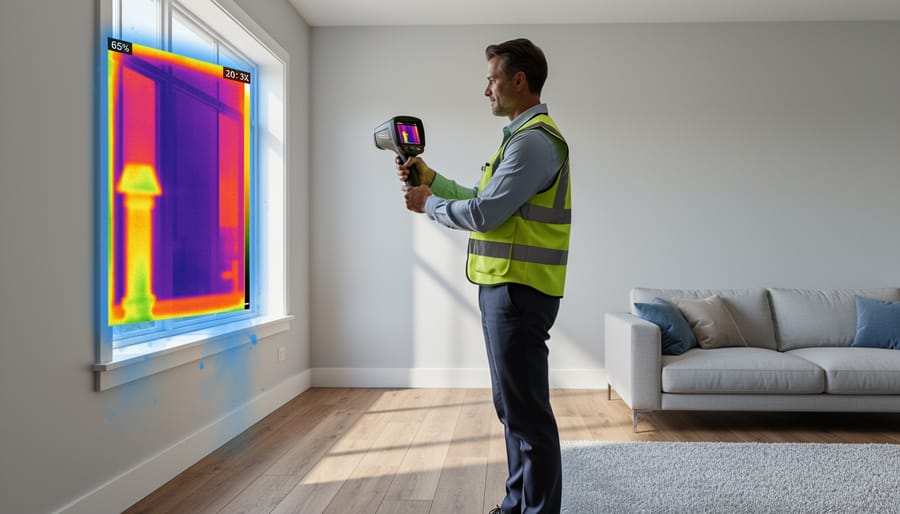
Many auditors also use infrared cameras to detect temperature differences in your walls and ceilings, making invisible problems suddenly visible. They’ll review your energy bills to establish baseline consumption patterns and may test your combustion appliances for safety and efficiency.
What makes professional audits valuable is the personalized report you receive afterward. This document prioritizes improvements based on your home’s specific needs, estimates potential energy savings for each recommendation, and helps you understand which upgrades offer the best return on investment. Rather than guessing where to start, you’ll have a clear roadmap showing exactly how to reduce your energy consumption effectively. This targeted approach means you can invest your money where it will have the greatest impact, avoiding costly mistakes and ensuring your home improvement dollars work harder for you.
The Real Cost of Energy Waste in Your Home
Your home might be costing you far more than necessary every month, and the culprits are often hiding in plain sight. Understanding where energy and money slip away is the first step toward making meaningful improvements that benefit both your wallet and the environment.
Air leaks rank among the most common and costly problems in residential homes. Those small gaps around windows, doors, electrical outlets, and where pipes enter your home create drafts that force your heating and cooling systems to work overtime. Picture leaving a window cracked open year-round—that’s essentially what’s happening. The average homeowner loses hundreds of dollars annually through these seemingly minor openings, with proper weatherization able to save up to 20% on heating and cooling costs.
Insufficient or outdated insulation represents another significant energy drain. Your attic, walls, and basement are supposed to act as barriers against outdoor temperatures, but insulation settles and degrades over time. Homes built before modern energy codes often have minimal insulation by today’s standards. If your second floor feels noticeably warmer in summer or your heating system runs constantly in winter, inadequate insulation is likely responsible. A typical household might spend an extra $400-$600 yearly just compensating for poor insulation.
Your HVAC system, even if it runs reliably, may be working inefficiently. Systems older than 15 years consume considerably more energy than newer models, and dirty filters or leaky ductwork compound the problem. When ducts leak conditioned air into attics or crawl spaces, you’re essentially heating or cooling areas you don’t even use—wasting 20-30% of your system’s output in some cases.
Outdated appliances also contribute to unnecessary expenses. That old refrigerator in the garage or second freezer in the basement might cost $100-$200 yearly in extra electricity compared to modern, energy-efficient models. Water heaters without proper insulation, inefficient lighting, and older washing machines all add incremental costs that accumulate into substantial annual expenses.
The encouraging news is that identifying these issues through a residential energy audit transforms invisible problems into actionable opportunities. Rather than continuing to pay for energy that provides no comfort or benefit, you can prioritize improvements based on actual impact, creating a roadmap toward lasting savings and reduced environmental footprint.
What Happens During a Professional Energy Audit
Diagnostic Tools and Technologies Used
Energy auditors use specialized diagnostic equipment to uncover hidden energy waste in your home, revealing problems that aren’t visible to the naked eye. Understanding what these tools discover can help you appreciate the value of a professional audit.
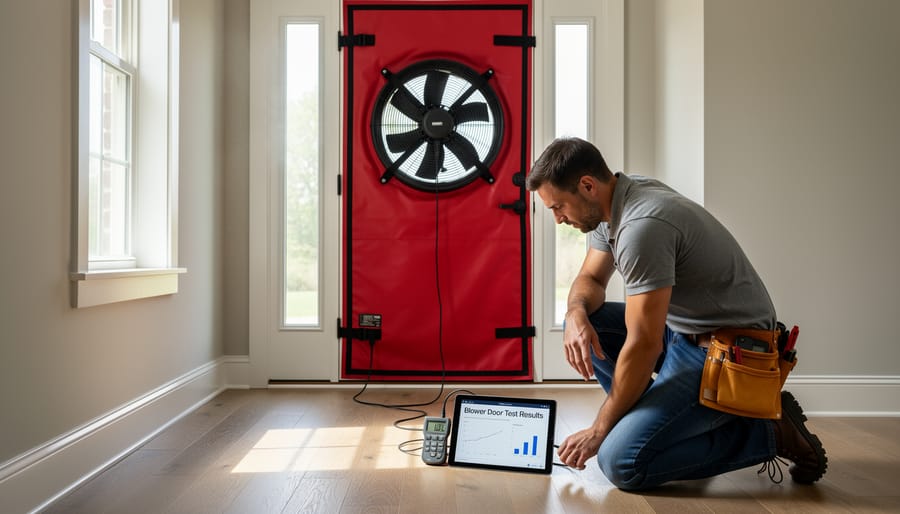
The blower door test is one of the most revealing diagnostics. Auditors mount a powerful fan in an exterior doorway to depressurize your home, creating a controlled pressure difference. This process identifies exactly where outside air is sneaking in through cracks, gaps, and unsealed openings. You’ll learn whether your home loses conditioned air around windows, through the attic, or via outlets and plumbing penetrations. The results quantify your home’s air leakage rate, showing whether basic weatherstripping will suffice or if more extensive air sealing is needed.
Thermal imaging cameras capture heat patterns across your home’s surfaces, displaying them as color-coded images. Cool spots on winter walls indicate missing insulation or thermal bridging where studs conduct heat away. These cameras also reveal moisture problems, overheating electrical connections, and ductwork issues before they become expensive repairs. What might look like a solid, well-insulated wall could actually be transferring significant heat.
Combustion analyzers test your furnace, water heater, and other fuel-burning appliances to ensure they’re operating safely and efficiently. These devices measure carbon monoxide levels and combustion efficiency, protecting your family’s health while identifying equipment that’s wasting fuel. If your furnace is running at 65% efficiency instead of its rated 80%, you’ll know it’s time for maintenance or replacement, potentially saving hundreds annually.
Understanding Your Audit Report
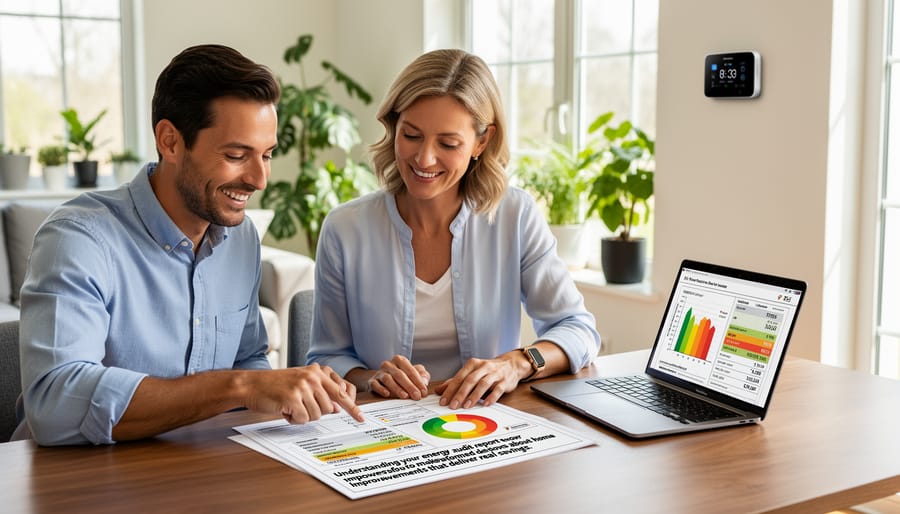
Once you receive your energy audit report, you’ll have a detailed roadmap for improving your home’s efficiency. Understanding how to interpret and act on these findings will help you make smart investments that align with your budget and sustainability goals.
Your report will typically categorize recommendations by priority level. High-priority items address significant energy waste or safety concerns, like inadequate attic insulation or air leaks around doors and windows. Medium-priority recommendations offer substantial savings but may be less urgent, while low-priority suggestions provide incremental improvements over time.
Pay close attention to the payback period for each recommendation. This calculation shows how long it takes for energy savings to cover the upfront cost. For example, adding insulation might have a payback period of 3-5 years, meaning your reduced energy bills will recover the installation cost within that timeframe. After that, you’re enjoying pure savings while reducing your environmental impact.
The report should also include estimated annual savings for each improvement. Use these figures to prioritize which projects to tackle first. Many homeowners start with quick wins that require minimal investment but deliver immediate results, then work toward larger projects like HVAC system upgrades.
Don’t feel pressured to implement every recommendation at once. Think of your audit report as a long-term action plan. You might address air sealing and insulation this year, upgrade to energy-efficient appliances next year, and consider solar panels down the road. The key is having a clear understanding of where your home loses energy and which improvements will deliver the greatest return on investment while supporting your commitment to sustainable living.
Types of Residential Energy Audits: Which One Do You Need?
Choosing the right energy audit starts with understanding the three main types available and matching them to your home’s specific needs. Each level offers different depths of analysis, and selecting wisely ensures you invest appropriately without paying for more than necessary.
| Audit Type | What’s Included | Typical Cost | Best For |
|---|---|---|---|
| Walk-Through | Visual inspection, basic recommendations, utility bill review | $100-$300 | Newer homes (under 10 years), small condos, or initial assessment |
| Standard | Blower door test, thermal imaging, detailed report with priorities | $300-$600 | Most single-family homes, moderate energy concerns, homes 10-30 years old |
| Comprehensive | Advanced diagnostics, combustion testing, room-by-room analysis, investment modeling | $600-$1,200 | Older homes (30+ years), large properties, major renovation plans, significant energy bills |
A walk-through audit provides a solid starting point if you’re simply curious about your home’s energy performance or live in a relatively new property. The auditor will spend 1-2 hours examining visible issues like insufficient insulation in the attic, air leaks around windows, and outdated appliances. You’ll receive a straightforward list of improvements, though without the precision testing that reveals hidden problems.
Standard audits represent the sweet spot for most homeowners. This level includes diagnostic equipment like blower doors that measure total air leakage and infrared cameras that pinpoint exactly where heat escapes. These tools transform guesswork into data, showing you where your investment will deliver the highest returns. If your energy bills seem higher than they should be or your home was built before modern energy codes, this option typically provides the best value.
Comprehensive audits make sense when you’re planning extensive renovations or dealing with serious comfort issues like persistent drafts or uneven temperatures. The detailed analysis includes testing your heating system’s efficiency and carbon monoxide safety, creating computer models of potential improvements, and calculating precise payback periods for each upgrade. While the upfront cost is higher, this investment prevents costly mistakes during major projects and ensures every dollar spent on improvements works harder for you over the long term.
The Financial Benefits: ROI and Incentives
Understanding the financial picture is essential when considering a residential energy audit. The good news? Most homeowners see meaningful returns on their investment, especially when they take action on the recommended improvements.
The audit itself typically costs between $200 and $700, depending on your home’s size and the level of detail you need. However, this upfront expense often pays for itself within the first year through identified savings. Many utility companies offer discounted or even free audits to their customers, so check with your provider before paying full price. Some programs include instant rebates on energy-saving products, immediately reducing your out-of-pocket costs.
The real financial benefits come from implementing the audit recommendations. Different improvements offer varying returns, and understanding these differences helps you prioritize wisely. Air sealing and insulation upgrades typically deliver the fastest payback periods, often recovering costs within 2-4 years through reduced heating and cooling bills. LED lighting conversions pay for themselves even faster, sometimes within a year. More substantial investments like HVAC system replacements or window upgrades might take 7-15 years to break even, but they significantly increase home comfort and resale value while reducing energy consumption by 20-40%.
Financial incentives make these improvements even more attractive. There are federal tax credits available for qualifying energy-efficient upgrades, including up to 30% back on improvements like heat pumps, insulation, and high-efficiency windows. State and local utility rebate programs often stack with federal credits, further reducing your investment. Some homeowners recover 50% or more of their upgrade costs through combined incentives.
The long-term value extends beyond immediate savings. Energy-efficient homes command higher resale prices, with studies showing premiums of 2-6% compared to similar non-upgraded properties. You’ll also enjoy lower utility bills year after year, with many homeowners saving 15-30% annually on energy costs after implementing audit recommendations. Over a 15-year period, these savings can total thousands of dollars while simultaneously reducing your environmental footprint.
Think of your energy audit as a roadmap for strategic investments. Start with quick wins that offer immediate returns, then tackle larger projects as budget allows. The combination of reduced utility bills, available incentives, increased home value, and environmental benefits creates a compelling financial case that only strengthens over time.
Common Improvements Recommended After an Audit
After your energy audit, you’ll receive a detailed report outlining specific improvements tailored to your home. While every property is unique, certain recommendations appear consistently across most audits. Understanding these common suggestions—and their priority levels—helps you plan strategically and maximize your investment.
High-Priority Improvements: Quick Wins with Immediate Impact
Most auditors begin with low-cost, high-impact improvements that deliver rapid returns. Air sealing typically tops this list, addressing gaps around windows, doors, electrical outlets, and plumbing penetrations. This straightforward upgrade costs between $300 and $1,500 for a typical home and can reduce heating and cooling costs by 10-20%. You’ll often recoup this investment within two to three years.
Attic insulation ranks as another high-priority recommendation, especially in older homes. Adding or upgrading insulation costs approximately $1,500 to $3,500 and can cut energy bills by 15-25%. The payback period usually ranges from three to six years, making this one of the smartest investments you can make.
Upgrading to a programmable or smart thermostat represents the lowest-cost recommendation, typically running $100 to $300 with professional installation. This simple change can reduce heating and cooling expenses by 10-12% annually by optimizing temperature settings when you’re away or sleeping.
Medium-Priority Improvements: Building on Your Foundation
Once you’ve tackled the basics, auditors often recommend upgrading to energy-efficient windows if your current ones are single-pane or in poor condition. Expect to invest $5,000 to $15,000 for a whole-home window replacement, with energy savings of 15-30% on heating and cooling. The payback period extends to 10-20 years, but the comfort improvement and property value increase make this worthwhile for many homeowners.
Water heater replacement or upgrade frequently appears in audit reports. Modern tankless or heat pump water heaters cost $1,500 to $4,500 installed but can slash water heating costs by 25-50%, paying for themselves in seven to twelve years.
- Quick wins provide immediate gratification and fast payback periods, building momentum for larger projects.
- Starting small requires less upfront capital and allows you to learn what works best for your home.
- Smaller improvements can be completed without disrupting your daily routine.
- Major investments like HVAC systems and solar panels offer the greatest long-term savings potential.
- Delaying big-ticket items means continuing to waste energy and money while you wait.
- Some improvements work synergistically, meaning isolated quick fixes may not optimize your home’s overall performance.
The smartest approach combines both strategies: tackle immediate quick wins to start saving right away while planning and budgeting for major investments that align with your home’s natural replacement cycles.
Long-Term Investments: Maximum Impact
HVAC system replacement represents the largest expense for most homeowners, ranging from $5,000 to $15,000 depending on your home’s size and system type. High-efficiency systems can reduce heating and cooling costs by 30-50%, with payback periods of 10-15 years. Auditors typically recommend this when your current system exceeds 15 years old or operates inefficiently.
Your audit report should prioritize these recommendations based on your home’s specific needs, helping you create a phased improvement plan that fits your budget while delivering meaningful energy savings from day one.
How to Choose a Qualified Energy Auditor
Finding the right energy auditor is essential to getting accurate results and meaningful recommendations for your home. A qualified professional will have the expertise to identify issues you might miss and provide a roadmap for improvements that truly make a difference.
Start by looking for nationally recognized certifications. The Building Performance Institute (BPI) certification is considered the gold standard in residential energy auditing. BPI-certified professionals have completed rigorous training and testing in building science, energy efficiency, and home performance. RESNET (Residential Energy Services Network) certification is another excellent credential, particularly their HERS (Home Energy Rating System) Rater designation. These certifications ensure your auditor understands the complex interactions between your home’s systems and can properly use diagnostic equipment like blower doors and infrared cameras.
When interviewing potential auditors, ask about their experience with homes similar to yours in age, size, and construction type. Request a detailed explanation of what their audit includes—comprehensive audits should involve both visual inspections and diagnostic testing. Ask for sample reports so you can see how clearly they communicate findings and recommendations. Inquire about their approach to prioritizing improvements and whether they’ll help you understand potential energy savings and payback periods for each recommendation.
Be cautious of several red flags. Avoid auditors who push specific products or contractors without explaining alternatives—they may have financial relationships that compromise objectivity. Skip anyone offering “free” audits tied to mandatory equipment purchases. Be wary of those who won’t provide references from past clients or seem reluctant to answer your questions thoroughly. If an auditor promises unrealistic energy savings or pressures you to make immediate decisions, that’s a clear warning sign.
Take time to check reviews, verify certifications directly with issuing organizations, and request at least three references. This upfront research ensures you’ll work with someone who has your best interests at heart and can genuinely help you create a more efficient, comfortable home for years to come.
Preparing for Your Home Energy Audit
A little preparation before your energy auditor arrives can significantly enhance the quality and accuracy of your assessment. Think of this as setting the stage for a comprehensive evaluation that will directly impact your energy-saving strategy and investment decisions.
Start by taking these practical steps to maximize your audit’s value:
- Collect 12 months of utility bills to help your auditor identify seasonal patterns and energy usage trends. Electronic copies work perfectly if you’ve gone paperless.
- Walk through your home and make notes about comfort concerns—drafty rooms, cold floors, moisture issues, or areas that are difficult to heat or cool consistently.
- Ensure clear access to all spaces, including attics, crawl spaces, basements, and utility rooms. Move stored items if necessary so the auditor can thoroughly inspect these critical areas.
- Document any recent upgrades you’ve made, such as new windows, insulation improvements, or HVAC replacements, along with their approximate dates.
- Prepare a list of questions about specific concerns or future improvement projects you’re considering, so you can get expert guidance tailored to your situation.
If you’ve noticed specific problems like ice dams in winter or unusually high summer cooling costs, share these observations with your auditor. This context helps them focus on trouble spots and provide more targeted recommendations.
Remember, the more information you provide, the more personalized and actionable your energy audit results will be. This small investment of time upfront translates directly into better long-term savings and comfort improvements for your home.
A residential energy audit is more than just an assessment of your home—it’s an investment in your future comfort, financial well-being, and environmental responsibility. The insights gained from a professional evaluation empower you to make informed decisions that reduce utility bills, enhance indoor comfort, and lower your carbon footprint simultaneously.
The beauty of an energy audit lies in its ability to uncover hidden opportunities. Many homeowners discover that relatively simple upgrades—adding insulation, sealing air leaks, or upgrading to efficient lighting—can deliver substantial savings without requiring major renovations. These small changes compound over time, transforming your home into a more sustainable, cost-effective space while contributing to broader environmental goals.
Taking the first step is easier than you might think. Scheduling an energy audit with a certified professional opens the door to understanding your home’s unique energy profile. You’ll receive a customized roadmap prioritizing improvements based on your budget and goals, ensuring every dollar spent works efficiently toward your vision of sustainable homeownership.
The journey toward a more energy-efficient home doesn’t require perfection from day one. It’s about progress, making thoughtful choices, and building a living space that aligns with your values. By investing in an energy audit today, you’re not just reducing energy waste—you’re creating a healthier, more comfortable home environment while doing your part for the planet. The future of sustainable homeownership starts with one simple decision: understanding where you are now so you can confidently move forward.