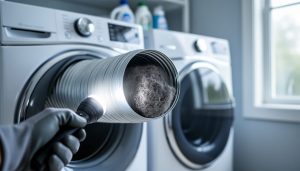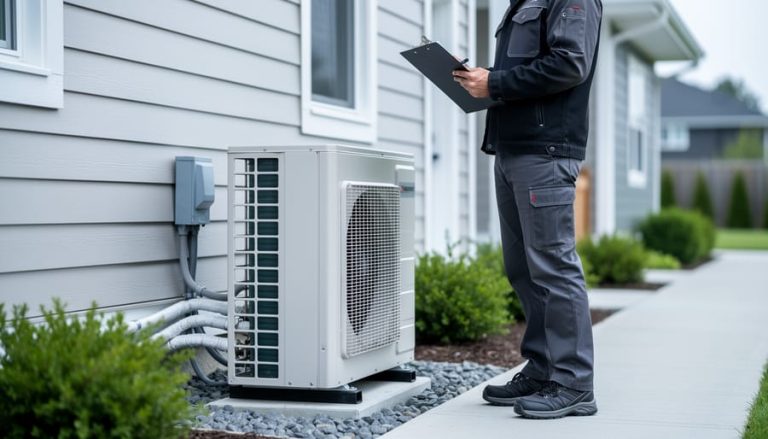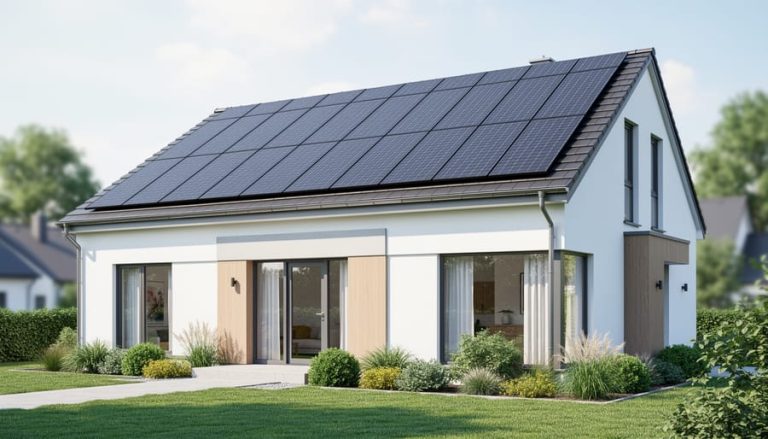
Focus your energy upgrade budget on visible improvements that reduce buyer concerns and lower running costs. If you’re considering Property Saviour or similar cash buyers, understand that while they prioritize speed over premium prices, strategic energy upgrades can still influence their offers and broaden your buyer pool.
Install LED lighting throughout your home for under £100—it’s the fastest upgrade that signals energy consciousness to viewers within seconds of walking through your door. Replace outdated thermostats with programmable models for £50-150, demonstrating immediate heating cost control that resonates with budget-conscious buyers.
Target your loft insulation if it’s visibly lacking. This £300-500 investment directly addresses mortgage lenders’ Energy Performance Certificate requirements, potentially expanding your buyer pool beyond cash-only purchasers. Draft-proof windows and doors for under £100 using self-adhesive strips—this quick fix eliminates the cold spots buyers notice during viewings.
Service your boiler and obtain documentation proving its efficiency. A £100 service with certification provides reassurance worth far more than its cost, particularly for first-time buyers concerned about unexpected expenses.
The reality: energy upgrades won’t magically accelerate a sale in a slow market, but they remove objections and demonstrate property care. Cash buyers typically won’t pay significantly more for upgrades, but traditional buyers increasingly factor running costs into their offers. Your goal isn’t achieving perfect energy efficiency—it’s reaching the threshold where energy concerns don’t eliminate potential buyers or trigger price negotiations that delay your sale.
Why Energy Efficiency Matters to Fast-Sale Buyers
Cash buyers and quick-sale companies approach property purchases with a distinct evaluation framework that increasingly prioritizes energy performance. Unlike traditional buyers who may focus primarily on aesthetics, these investors analyze properties through a profitability lens, considering both immediate acquisition costs and long-term resale potential.
Energy Performance Certificates (EPCs) have become a critical factor in this assessment. Quick-sale companies recognize that homes with higher EPC ratings typically command better prices when they eventually resell. A property rated C or above significantly expands the pool of potential future buyers, particularly as younger, environmentally-conscious purchasers enter the market with heightened awareness of running costs and carbon footprints.
From a financial perspective, energy efficient upgrades directly impact the calculations these companies make. Lower utility bills translate to more attractive rental income if they choose to let the property, while reduced maintenance costs associated with modern, efficient systems improve their profit margins. Many cash buyers now actively seek homes with features like double glazing, improved insulation, or efficient heating systems because these elements reduce their renovation workload and accelerate their turnaround time.
The broader market appeal cannot be overlooked either. As energy costs remain volatile and environmental regulations tighten, properties with strong energy credentials become more marketable. Quick-sale companies understand that investing in a home with existing efficiency features means faster future sales and potentially higher returns. This shift in perspective means that strategic improvements you make today can genuinely influence the offer you receive, even in fast-sale scenarios where speed traditionally trumped other considerations.
Smart Insulation: The Upgrade That Pays for Itself Before Closing
Attic and Loft Insulation
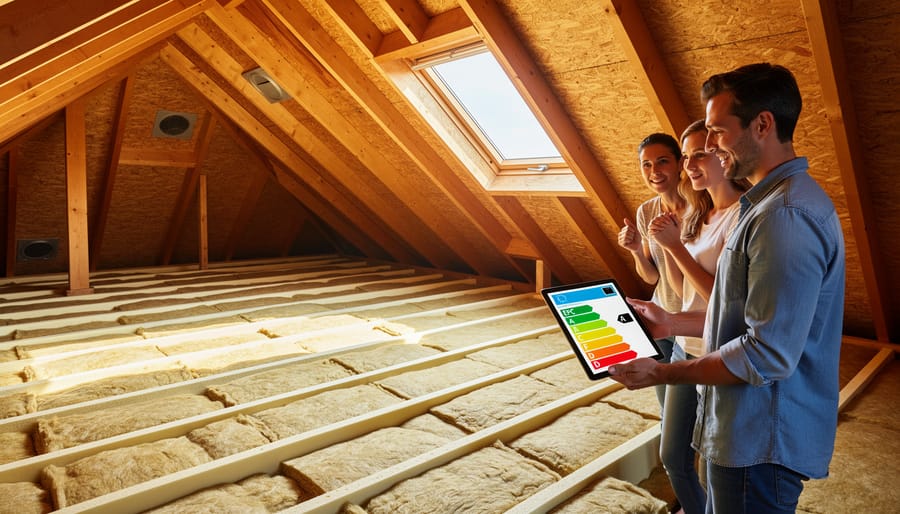
Upgrading your attic insulation is one of the most cost-effective improvements you can make before selling. Heat rises, and an under-insulated attic can account for up to 25% of your home’s heat loss, a red flag for energy-conscious buyers and even cash purchasers evaluating property condition.
For most homes, bringing attic insulation up to modern standards costs between £300-£900, depending on your attic size and current insulation levels. You’ll want to aim for at least 270mm depth of mineral wool or similar material. While DIY installation can save money, professional fitting typically costs £400-£600 and ensures proper coverage without gaps that reduce effectiveness.
The benefits are immediate and visible on Energy Performance Certificates (EPCs). Upgrading from poor to good insulation can boost your EPC rating by one or two bands, directly impacting your home’s marketability. Buyers appreciate lower projected energy bills, and many quick-sale companies specifically look for homes with decent insulation as it reduces their renovation costs.
This upgrade also demonstrates that you’ve maintained the property responsibly, building buyer confidence. Even if you’re selling quickly, the modest investment shows commitment to quality and can justify a higher offer price while potentially shortening time on market.
Sealing the Gaps That Lose You Money
Draft-proofing your home is one of the most cost-effective upgrades you can make before selling, typically costing under $100 but delivering impressive results during energy assessments. Buyers and quick-sale companies increasingly request energy performance certificates, and sealing air leaks can improve your rating substantially.
Start by inspecting windows and doors for gaps. Apply weatherstripping around door frames and window sashes—this simple fix prevents conditioned air from escaping and can reduce heating costs by up to 15%. Self-adhesive foam tape works well for irregular gaps, while V-strip is ideal for door sides.
Don’t overlook less obvious culprits. Check where pipes and wires enter your home, around electrical outlets on exterior walls, and at baseboards. Use caulk for stationary cracks and expanding foam for larger openings. Inspect your attic hatch and basement rim joists—these areas often have significant air leakage.
The beauty of weatherization is its immediate impact. Potential buyers will notice fewer drafts during viewings, and your energy assessment scores will reflect the improvements. For quick-sale scenarios, this low-investment upgrade demonstrates your home’s efficiency without major renovations, giving buyers confidence they’re purchasing a well-maintained, energy-conscious property.
LED Lighting and Smart Thermostats: Low-Cost, High-Impact Changes
The LED Switch That Takes One Weekend
Swapping outdated incandescent bulbs for energy efficient bulbs throughout your home is one of the fastest, most affordable upgrades you can complete in a single weekend. This simple change instantly modernizes your property’s lighting while signaling to potential buyers that you care about sustainability and lower utility costs. LED bulbs use up to 75% less energy and last 25 times longer than traditional options, translating to real savings that quick-sale buyers appreciate. Focus on high-visibility areas first: kitchen, living room, and bathrooms where buyers spend the most time during viewings. The updated lighting creates a crisp, contemporary ambiance that photographs well in listings. With LEDs available at most hardware stores for under $2 per bulb, you can transform an entire home for less than $50, making this upgrade an exceptional value for sellers working within tight budgets and timeframes.
Programmable Thermostats: Small Investment, Big Impression
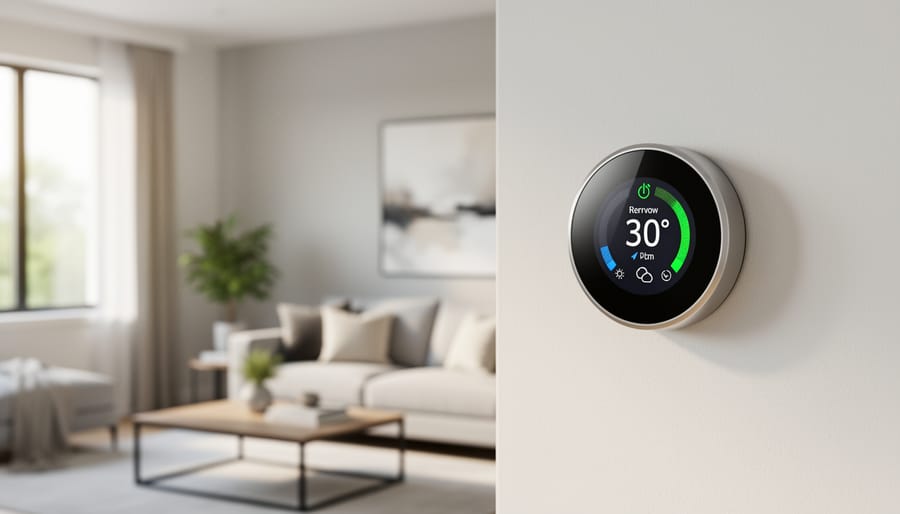
A programmable thermostat costs between $100-$250 installed, yet signals to potential buyers that your home features modern, efficient systems. This simple upgrade demonstrates that your property is move-in ready and eliminates concerns about outdated heating controls.
Smart thermostats like Nest or Ecobat allow you to showcase energy savings data during viewings, providing concrete evidence of lower utility costs. Buyers appreciate seeing actual monthly savings rather than just promises. This tangible proof becomes especially valuable when competing against similar properties without updated controls.
The installation takes just a few hours, making it perfect for quick-sale timelines. Position the thermostat as a selling feature by programming it to maintain comfortable viewing temperatures automatically. This attention to detail creates a welcoming atmosphere during showings while highlighting the home’s modern amenities.
For cash buyers and quick-sale companies evaluating your property, programmable thermostats indicate proactive maintenance and reduced future expenses. They’re assessing renovation costs, and seeing efficient systems already in place means fewer deductions from their offer. This small investment protects your sale price while appealing to environmentally-conscious buyers seeking homes with lower carbon footprints from day one.
Window Upgrades: When They’re Worth It (And When They’re Not)
Window replacement often tops the list of energy-efficient upgrades, but here’s the reality: full window replacement rarely pays for itself in a fast-sale scenario. New windows can cost £5,000-15,000 for an average home, yet typically only recoup about 70% of that investment at sale. For sellers aiming to move quickly, this math doesn’t add up.
However, that doesn’t mean you should ignore windows entirely. The key is understanding when upgrades make sense and exploring cost-effective alternatives that still improve your home’s energy profile.
When full replacement might be worth it: If your windows are visibly damaged, rotting, or single-glazed in poor condition, replacement becomes more justifiable. Buyers notice broken seals, condensation between panes, and drafty frames. In these cases, windows become a liability rather than just a missed opportunity.
For most sellers, though, smarter alternatives deliver better returns. Secondary glazing costs roughly 50-70% less than replacement while significantly reducing heat loss and noise. It’s particularly effective for period properties where original windows add character. Window film is another budget-friendly option, costing just £5-15 per square meter. Modern low-emissivity films can reduce heat loss by up to 30% while being nearly invisible.
Strategic partial upgrades offer a middle ground. Consider replacing only street-facing windows or those in key rooms like the living area. This approach improves curb appeal and energy efficiency where buyers notice most, while keeping costs manageable.
Draft-proofing existing windows with new seals and weatherstripping costs under £200 for most homes and makes an immediate difference. During viewings, this attention to detail signals that you’ve maintained the property thoughtfully.
The bottom line: Invest in windows only when damage demands it or when budget-friendly alternatives can’t address the issue. Focus your resources on improvements that offer clearer returns in quick-sale scenarios while still advancing your home’s energy performance.
Heating System Improvements That Speed Up Sales
Service Records Matter More Than You Think
Well-maintained heating systems signal to buyers that your home has been cared for properly. When you can present complete service records showing annual boiler maintenance, potential buyers gain immediate confidence that they won’t face unexpected repair costs after moving in. This documentation becomes particularly valuable when dealing with cash buyers and quick-sale companies, who often factor potential repair costs into their offers.
Keep all service certificates, invoices, and maintenance logs organized in a folder to present during viewings. These records demonstrate that your energy-efficient boiler has been professionally serviced, which can justify a higher asking price and reduce the back-and-forth negotiations that typically slow down sales. Buyers appreciate transparency, and documented proof of regular maintenance removes doubt about the system’s reliability. This simple step often accelerates decision-making, helping you achieve a faster sale while showcasing your commitment to both home maintenance and energy efficiency.
When to Consider a Boiler Upgrade
Before investing in a new boiler, run the numbers carefully. If your residential heating boilers system is over 15 years old with an efficiency rating below 70%, replacement typically makes financial sense for a traditional sale where you’re marketing to families planning long-term ownership. A modern condensing boiler can boost your home’s energy performance certificate rating, potentially adding 2-5% to your selling price.
However, the equation changes when selling to cash buyers or quick-sale companies. These buyers often prefer a lower price over new installations, as they handle renovations themselves at trade rates. If you’re targeting a fast sale within 4-6 weeks, the £2,500-4,000 boiler replacement cost may not be recovered.
Consider an upgrade when your boiler is failing and requires immediate attention anyway, or when comparable homes in your area feature newer systems. For quick sales, transparency works better. Obtain quotes for replacement and offer buyers the choice: full asking price with a new boiler installed, or a discounted price reflecting the upgrade cost. This approach respects both your timeline and budget while demonstrating honesty that builds buyer confidence.
Energy Performance Certificates: Your Secret Selling Weapon
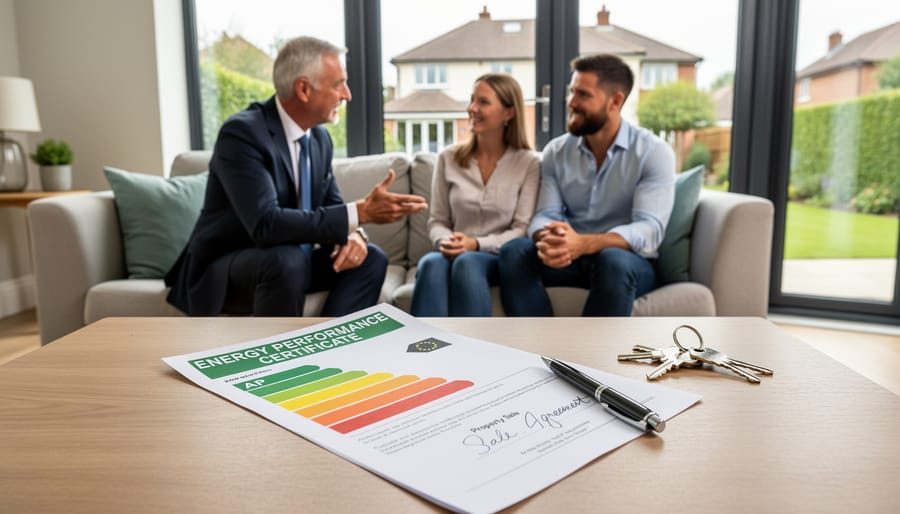
Your Energy Performance Certificate (EPC) rating directly influences how quickly your property sells and the offers you receive. In the UK property market, homes with higher EPC ratings sell 20% faster on average, and even cash buyers and quick-sale companies factor these ratings into their valuations.
Understanding the rating bands is essential. The scale runs from A (most efficient) to G (least efficient), with most UK homes currently sitting between D and E. Moving up just one band can significantly impact buyer interest, whilst properties rated F or G may struggle to attract offers or face legal selling restrictions in the future.
The good news? Strategic upgrades can push you into a higher band without breaking the bank. Installing LED lighting throughout your home, adding loft insulation to 270mm depth, or upgrading to a modern condensing boiler typically provides enough points to move from an E to a D rating. Double glazing replacement and cavity wall insulation can propel you from D to C, where buyer demand substantially increases.
Timing matters crucially. Schedule a professional energy audit before making improvements to identify which upgrades will deliver the biggest rating jump for your budget. Complete your chosen improvements, then arrange your new EPC assessment at least two weeks before listing your property. This allows you to feature the improved rating in all marketing materials from day one.
Cash buyers and we-buy-any-house companies specifically adjust their offers based on EPC ratings, as they calculate future resale potential and compliance costs. A C-rated property commands premium offers compared to D or E-rated equivalents, making strategic upgrades a worthwhile investment even in quick-sale scenarios.
The Cost-Benefit Reality: What to Upgrade When Selling Fast
Making smart upgrade decisions when you’re selling fast requires a clear-eyed look at what delivers results versus what drains your budget. The key is matching your improvements to your specific situation rather than following a one-size-fits-all approach.
Start by assessing your baseline. Walk through your home as a buyer would. Are there obvious energy drains like single-pane windows or an ancient furnace? These glaring issues can discourage buyers, but not every problem needs fixing before you list. Focus on upgrades that create visible impact and address concerns buyers will notice during viewings.
For tight budgets under $1,000, prioritize improvements that enhance perceived value. LED bulbs throughout the home, a programmable thermostat, weatherstripping, and professional air sealing deliver measurable savings without major investment. These changes signal to buyers that you’ve maintained the property thoughtfully.
With a moderate budget of $2,000-$5,000, consider adding insulation to your attic where it’s visible during inspections, or upgrading to an efficient water heater if your current one is nearing its lifespan’s end. These improvements address common inspection concerns while reducing buyer hesitation.
If you have more flexibility and several months before selling, strategic window replacements in highly visible areas or an HVAC upgrade might make sense, particularly in markets where energy efficiency commands premium pricing.
Timeline matters tremendously. If you need to sell within 30-60 days, skip major renovations entirely. Quick-impact improvements like improved lighting, sealed drafts, and a smart thermostat showcase your home’s efficiency potential without delaying your listing.
Local market conditions should guide your decisions too. In areas where buyers prioritize sustainability or where utility costs run high, energy upgrades resonate more strongly. Research recent comparable sales to see which features commanded higher prices. Some markets reward efficiency investments generously, while others show minimal price differentiation.
The smartest strategy? Calculate your break-even point. If an upgrade costs $3,000 but only increases your sale price by $2,000, redirect that money toward staging or pricing competitively instead.
When selling your home quickly, the right energy-efficient upgrades can make a meaningful difference without breaking the bank or delaying your timeline. The key is approaching improvements strategically, focusing on changes that deliver visible benefits and measurable savings rather than expensive, time-consuming renovations.
Whether you’re targeting traditional buyers or exploring cash purchase options, the same principle applies: prioritize high-impact, cost-effective upgrades that demonstrate immediate value. Simple improvements like LED lighting, programmable thermostats, and weatherstripping can transform your home’s appeal while requiring minimal investment. These changes signal to buyers that your property is well-maintained and won’t burden them with excessive utility costs from day one.
Remember that even cash buyers and quick-sale companies recognize the value of energy efficiency. While they may not pay premium prices for extensive renovations, they appreciate homes with lower operating costs and modern, efficient features that reduce their future investment needs.
Your timeline should guide your decisions. If you’re selling within weeks, focus on quick wins that enhance curb appeal and reduce obvious energy waste. Planning a few months ahead gives you room for slightly larger improvements like insulation upgrades or HVAC servicing that offer stronger returns.
Ultimately, smart energy upgrades aren’t about achieving perfection or recovering every dollar spent. They’re about positioning your home as a practical, forward-thinking choice that saves money and supports sustainable living, qualities that resonate with today’s buyers regardless of how quickly you need to sell.