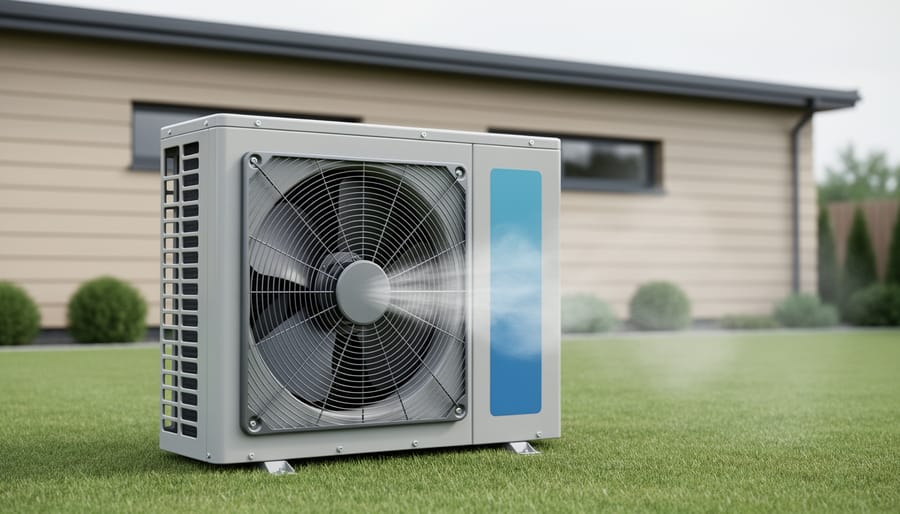
Heat pumps offer one of the most effective ways to reduce your home energy costs while eliminating fossil fuel dependence. These systems move heat rather than generate it, allowing you to heat and cool your home using up to 75% less electricity than traditional HVAC systems. The result? You can fix rising bills while dramatically cutting your carbon footprint.
The technology works simply: a heat pump extracts warmth from outdoor air (even in freezing temperatures) and transfers it inside during winter, then reverses the process to cool your home in summer. Think of it as a …
Does a Heat Pump Use a Lot of Electricity? What Homeowners Need to Know
Heat pumps do use electricity, sometimes noticeably more than your old furnace or boiler consumed in monthly bills, but they deliver two to four times more heating or cooling energy than the electricity they draw. That efficiency advantage means you’re typically spending less per unit of comfort, even if the kilowatt-hour total climbs.
The shift matters because most homeowners evaluate heat pumps against gas furnaces or oil boilers that hide fuel costs in a separate budget line. Electricity becomes your sole energy expense with a heat pump, …
How a Zero Energy Home Cuts Your Bills to Nothing (And Pays for Itself)
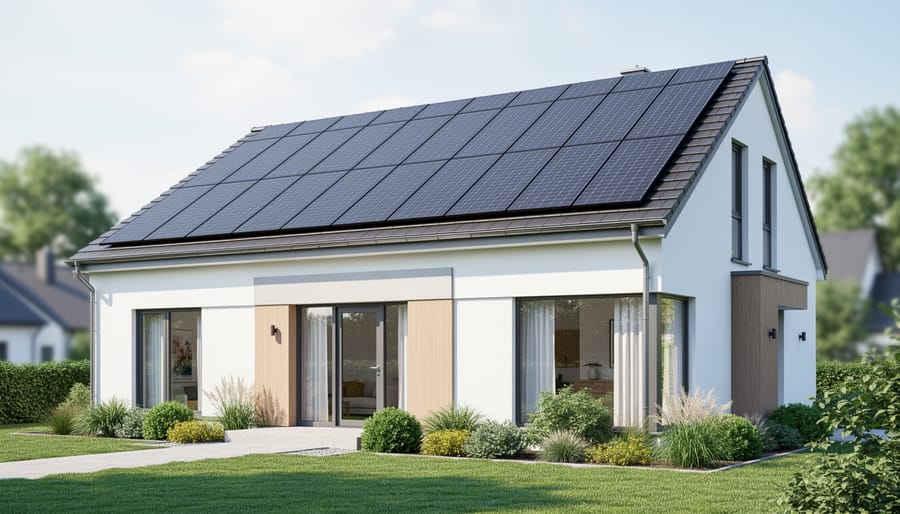
A zero energy home produces as much renewable energy as it consumes over the course of a year, bringing your net energy use to zero. This isn’t a futuristic concept reserved for experimental builds or unlimited budgets. It’s an achievable goal for both new construction and existing homes in 2026, though the path you take and the investment required will vary considerably based on your starting point.
The concept rests on two equally important pillars: dramatically reducing energy consumption through superior insulation, air sealing, and efficient systems, then generating enough clean power (typically solar) to cover what…
How to Design an Energy Efficient Home: Step-by-Step Plans That Cut Costs and Carbon
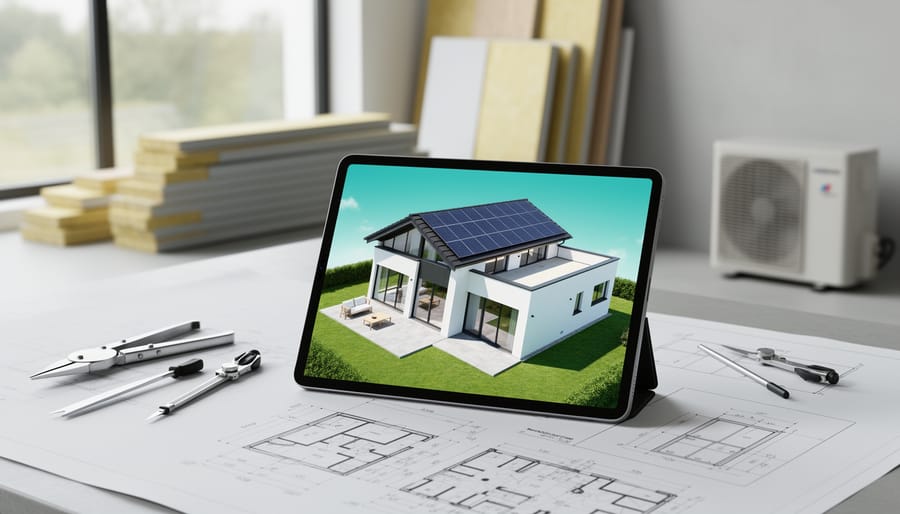
Designing an energy efficient home in 2026 means integrating passive solar orientation, advanced insulation systems, and high-performance windows into your floor plans from the very beginning, not adding them as afterthoughts. This integrated approach typically reduces heating and cooling costs by 40 to 60 percent compared to standard construction while adding only 3 to 8 percent to initial building costs. The payback period for these design choices now averages 5 to 9 years, after which homeowners enjoy decades of lower utility bills and increased comfort.
The planning phase is where energy efficiency becomes most affordable. When …
Why Your Home Energy Bills Keep Rising (And How a Residential Energy Audit Fixes It)
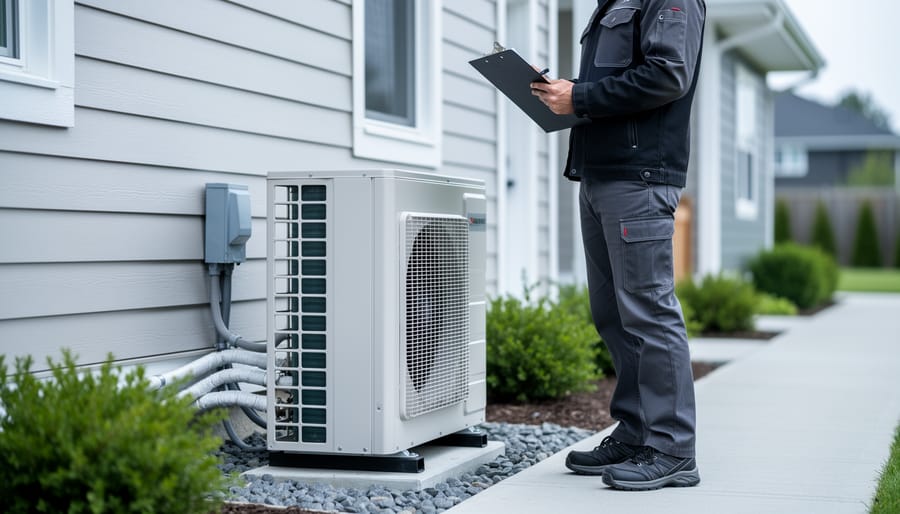
Your home is quietly wasting energy and money right now—through invisible air leaks, inadequate insulation, and inefficient systems that drain resources 24/7. A residential energy audit reveals exactly where these problems exist and provides a clear roadmap to fix them, typically uncovering opportunities to reduce your energy bills by 15-40% while making your home more comfortable year-round.
Think of an energy audit as a health checkup for your house. A certified auditor will systematically examine your home’s energy performance using …